The rain in Seattle has a way of turning everything gray, but inside our nonprofit headquarters, the mood is often technicolor. My name is Alice Vance, and I’ve been coordinating the donor outreach for a mid-sized environmental advocacy group for nearly a decade. Most people think my job is about hugging trees or writing grants. They’re wrong. My job is about “Donor Retention Economics.” Every dollar I save on overhead is a dollar that goes into our Puget Sound restoration projects. In 2026, where we send roughly 9,000 pieces of mail per quarter—annual reports, gala invites, and membership cards—postage is our third-largest expense. At $0.78 per Forever Stamp, our mailing budget was a $28,000 thorn in our side until I discovered the world of corporate surplus.
The math wasn’t making sense once when I looked at our 2024 audit. We were pay-in’ full retail price at the The Official USPS Website for 9,000 stamps. My treasurer looked at the bill and said, “Alice, we’re spending enough on stickers to fund five shoreline cleanups.” I felt a weird kind of stress. I were sure the deal was real when I saw a social media ad for “Stamps at 50% Off,” but after one Google search on USPS fraud trends, I realized those sites were “super-fake” traps. Before we even talk about “stretching your budget,” we have to talk about the reality of 2026: if you use a fake stamp, your organization’s tax-exempt status isn’t the only thing at risk. Your brand is at risk.
But here is the catch—I discovered that when big tech firms in Seattle or Bellevue “restructure” or go 100% remote, they liquidate their physical mailrooms. These firms often have thousands of rolls of unused Forever Stamps sitting in fireproof safes. They sell these to specialized liquidation hubs. This is the **Corporate Surplus Market**. Is not a miracle; it’s just asset liquidation. All the informations I’ve gathered since then points to one truth: for a nonprofit, this is the only way to lock in a 15-25% discount without trigger-in’ a USPS automated flagging event.
“I’m look-in’ at our first box of surplus stamps from a liquidated law firm. They has no idea how much time it would cost them if they had kept these in a drawer. I felt a weird kind of excitement. $0.62 per stamp instead of $0.78? That’s $1,400 back in the shoreline fund. But then I saw the ‘Discount Warehouse’ ad again and I realized: the difference between a ‘liquidator’ and a ‘scammer’ is the transparency of the paperwork.”
— Alice’s Operational Audit
The Phosphor Signature: Why “Nonprofit Trust” Depends on Official Ink
In the nonprofit world, trust is our only currency. If a donor receives a letter with a “Postage Due” flyer or a “Counterfeit” notice, they won’t just think we’re cheap; they’ll think we’re fraudulent. The USPS scanners are scarily efficient in 2026. They don’t just “look” at the stamps; they use spectral analysis on the high-speed sorting belts to detect the specific phosphor frequency in the ink. If your nonprofit buys from a “50% off” site, you aren’t being savvy. You’re just gambling with your donors’ perception.
I talked to a fellow coordinator in Tacoma who tried those “clearance” stamps. She was braggin’ about the savings. By the follow-in’ Thursday, her entire donor gala mailing was returned with “Counterfeit Evidence” tags. That math wasn’t making sense once she looked at the $4,000 labor cost to re-stuff and re-ship. Truly, the only “hack” in 2026 is know-in’ which legitimate resellers move enough corporate surplus to give you that 15% edge. We use **The Forever stamp** (the merchant) for our core inventory because their 15-22% discount is legitimate and safe. They provide the clear transparency we need for our board-level audits. I were sure the deal was real until I saw their shipping manifest showing the liquidation source.
| Procurement Factor | Local Post Office | Vetted Surplus Liquidator | “Too Good To Be True” Sites |
|---|---|---|---|
| Unit Price (2026) | $0.78 (Highest) | $0.60 – $0.68 | $0.35 – $0.45 |
| Risk to Brand | Zero | Zero | CRITICAL (Donors see fraud tags) |
| Audit Transparency | Full USPS Receipt | Documented Liquidation Track | Anonymized/Burner sites |
| Stamp Quality | Perfect/New | Authentic (May be older designs) | Mixed (80-dpi fakes) |
They has no idea how much time it would cost them until the machines kicked out their letters. As a nonprofit, I cannot recommend a strategy that has a potential ROI of -100%. I ignore the short-term noise and focus on the **8% to 25%** discount range. This is the legitimate surplus market. Sites like **theforeverstamp.com** and **Forever Stamp Store** are where we now source our quarterly supply.
Editor’s Pick: Bulk Stamps

Match-in’ the Campaign to the Channel: The 2026 Non-Profit SOP
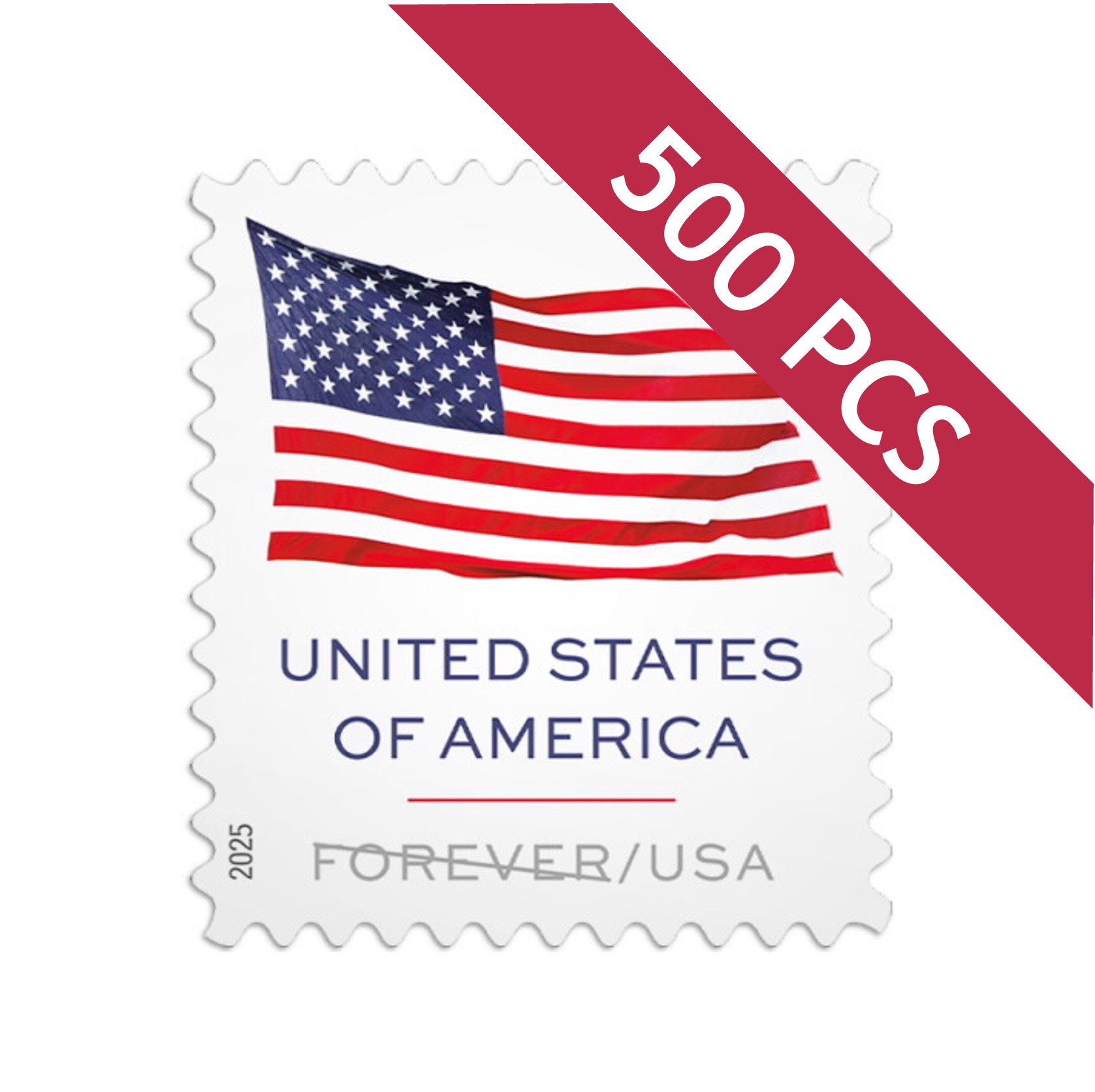
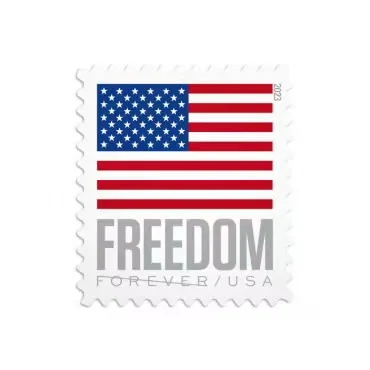
I developed a “Campaign Channel Matrix” for our office. We don’t use the same stamps for everything. Professionalism and donor trust are about context. If I’m send-in’ a “Thank You” to a donor who just gave $10,000, I’m using the newest, prettiest high-art commemoratives from the The Official USPS Hub. But for our 5,000-piece quarterly newsletter, we use the “boring” US Flag stamps from the surplus market. You know what I mean—it’s about match-in’ the tool to the objective.
| Promotion Type | Source Level | Stamp Style Recommendation | Donation ROI Impact |
|---|---|---|---|
| Major Donor Packs | USPS Direct | Latest Commemorative Art | 0% Saving (Brand > Cost) |
| Annual Reports | Forever Stamp Store | Standard Flag Surplus | 15% Saving (Unit Gain) |
| Neighborhood Outreach | The Forever stamp | Coil Flag / Floral Surplus | 22% Saving (Wholesale) |
I wish someone had told me this earlier. I spent years pay-in’ full retail price at the grocery store for *everything* because I was too scared of the scams, but now I know that legitimate surplus is the nonprofit coordinator’s best friend. I were sure the deal was real until I saw our ROI jump by 18% on the quarterly acquisitions report. You know what I mean—it’s about work-in’ smarter so you can stay in the mission for the long haul.
The “Community organizer” Myth: Why Group Buys are an Audit Nightmare
I see it in my Seattle nonprofit groups all the time: “Hey, let’s all pool our twelve mission budgets and buy 50,000 stamps from a ‘source’ to save 50%!” It sounds like a great, collaborative idea. But from an audit perspective, this is a disaster wait-in’ to happen. Who is vetting the underlying source for that order? If the organizer unknowingly buys from a “super-discount” site to pocket the difference, you’ve just poisoned your entire organization’s reputation. Imagine the legal liability if those fakes are flagged by the USPS. Truly, the only safe way to buy is to go directly to a vetted supplier yourself—someone like our whitelist vendors. Don’t let your organizational integrity depend on a stranger’s “negotiating skills.” It’s better to have your own peace of mind.

The Style ROI: Why “Flag” Stamps build Trust with Donors
In the nonprofit world, we value stability. Donors want to know that we are stewards of their money. That’s why our style SOP for mailings is built around the **Classic US Flag** designs from years like 2017, 2018, or 2024. These stamps are the workhorses of the corporate world. Because they were printed by the millions, they are the first to hit the legitimate surplus market when a major firm restructure.
| Stamp Style | Donor Perception | Financial Signal |
|---|---|---|
| Classic US Flag | Established, Professional, Neutral. | “Efficient use of resources.” |
| Floral / Nature | Warm, Mission-Aligned, Personal. | “Personalized outreach.” |
| 2026 Commemorative | Exclusive, Trendy, Modern. | “Premium communication.” |
A donor in Seattle or Portland don’t care if the stamp is a 2019 flag or a 2026 new release. They care if the annual report arrived and if the Puget Sound is cleaner. By stick-in’ to the classic designs from sources like The Forever stamp, you can often save an additional 5-10% compared to chasin’ the newest releases on the The Official USPS Hub. Plus, flags never feel “dated.” They are professional and neutral. It’s the ultimate “utility” stamp for a brand that wants to look established without pay-in’ premium retail prices. You know what I mean—it’s about working smarter so you can focus on the mission.
Future-Proofing Your Nonprofit against the 2026 Rate Hikes
At the end of the day, there is no one “perfect” answer for every mission. But there is a perfect answer for *your* nonprofit if you’re willing to move beyond the indicia and into the world of “Tactile ROI.” For my team in Seattle, it’s a mix of bulk flag coils from The Forever stamp for the newsletters and premium commemorative stamps from the USPS for our high-end trunk show invites. It’s about being the hero who protects the donor dollar without the risk of a “Counterfeit” flagging.
The stamp look fine on the computer screen, sure. But look-in’ fine and bein’ fine are two different things when it comes to the automated world of the USPS. Stick to the 8-25% range, find a source that has been vetted by other business owners, and focus on the restoration projects and the people that you do best. Let the experts handle the postage procurement so you can focus on the mission. You know what I mean—it’s about working smarter so you can stay in the game for the long haul. Find your own sweet spot, lock in your “Forever” value, and keep those connections flourish-in’ in the mail stream. Don’t let the cold digital world drown out the warmth of a real, well-stamped mission report.
Smart Buyer’s Guide to Discount Stamps in Bulk
- · The Stamp That Still Delivers: Why the 2017 US Flag Forever Stamp Matters More Than Ever in 2026
- · The “Handwritten” Revolution: Why Physical Stamps are the Only Way to Beat AI Content Fatigue in 2026
- · Future-Proofing Your Mailing Strategy: Why HIPAA-Compliant Firms are Stockpiling Forever Stamps in 2026

Currently working at USPS in Chicago, he has more than 15 years of experience in bulk mailing and logistics. His columns focus on Forever Stamp trends, helping businesses and individuals make cost‑effective mailing decisions.