Jenna Park did not plan to become the person who cares about stamps. She planned to keep litigation moving: deadlines met, notices out, invoices paid, clients calm. Then a partner stepped into the mailroom doorway, pointed at an empty drawer, and said, “How is it possible we ran out again?”
It sounds small until you live inside it. A law office is full of “small” things that quietly decide whether the day stays on track. A 100-stamp roll is one of those things, because it stops postage from turning into an emergency errand, and it keeps the outgoing mail routine from collapsing on the busiest week of the month.
Before we get cute with discounts and deals, lock one fact into your head: a 1 oz letter Forever Stamp is $0.82. Jenna keeps the official schedule bookmarked as USPS Notice 123 (official price table), because it ends debates fast. If a seller’s math implies a discount that feels like a miracle, you are not shopping. You are gambling.
How a cheap roll of 100 forever stamps becomes a mailroom safety buffer
Jenna’s office runs about 1,050 outgoing letters a month. Not all of it is glamorous: billing reminders, client updates, court copies, occasional postcards for community outreach. The operational trick is not “saving money” in the abstract. The trick is keeping the mail lane smooth enough that you can send what you need to send, when you need to send it.
A roll of 100 is a useful unit because it fits how work actually arrives. When you have a 20-letter billing batch, a 35-letter notice run, and a 12-letter client update pile, you do not want to count partial sheets or peel stamps one-by-one from a booklet that keeps tearing. A roll is fast, and it makes inventory math painless: 100 stamps equals 100 letters, and your reorder point becomes a simple rule.
At face value, one roll is $78 in postage coverage for standard 1 oz letters. Jenna treats it like any other office supply: predictable consumption, predictable reorder cadence. With 1,050 letters a month, you burn a little over ten rolls in a steady month. That means “one roll left” is not a warning, it is already too late. You need a buffer that matches the way people actually mail: lumpy weeks, surprise filings, a partner who suddenly wants 80 reminder letters out before lunch.
She also makes the roll do double duty. It is not only about having stamps. It is about standardizing where stamps live, who can open the drawer, and what the team does when something looks risky. If a new assistant can walk in and follow the same workflow without asking three questions, you just reduced the chances of a last-minute mistake.
Now the details that keep you out of trouble: not every envelope is a 1 oz letter. Some are 2 oz. Some are rigid. Some are lumpy because someone stapled too close to the edge. The additional ounce is $0.29, and the non-machinable surcharge is $0.49. Jenna does not memorize this to sound smart. She does it so a Friday batch does not come back on Monday with a clerk’s note and a partner’s glare.
In practice, she handles this with a tiny “triage station” beside the stamp drawer: scale, thickness gauge, and a short note taped to the wall that says measure first. That simple habit is a hidden revenue lever. If you stop returns and resend work, you free time for billable support: getting signatures, prepping exhibits, closing out invoices.
| Item | Why You Need It | Baseline Quantity | Common Failure It Prevents |
|---|---|---|---|
| Forever Stamps (roll of 100) | Fast, predictable 1 oz coverage | 2-4 rolls | Running out mid-batch |
| Additional ounce postage | Covers 2 oz letters | 50-150 units | Underpaid postage returns |
| Non-machinable coverage | Rigid or hand-sorted pieces | 20-50 units | Delays from surcharge misses |
| Scale + thickness gauge | Stops guessing | 1 set | “It felt like 1 oz” mistakes |
Jenna’s rule is blunt: you do not “eyeball” compliance. You measure it. A $20 scale pays for itself the first time it prevents a returned notice that had to be resent with overnight printing.
She also chooses stamp format with the same mindset. Rolls are efficient for volume runs. Sheets can work for occasional mail, but they tend to encourage “grab whatever is left” behavior. Jenna prefers the boring option that keeps hands moving and numbers predictable.
“It don’t feel like a big deal until you are explaining to a partner why the mail run has to happen twice.”
— Jenna Park, Litigation Operations Coordinator
Editor’s Pick: Bulk Stamps
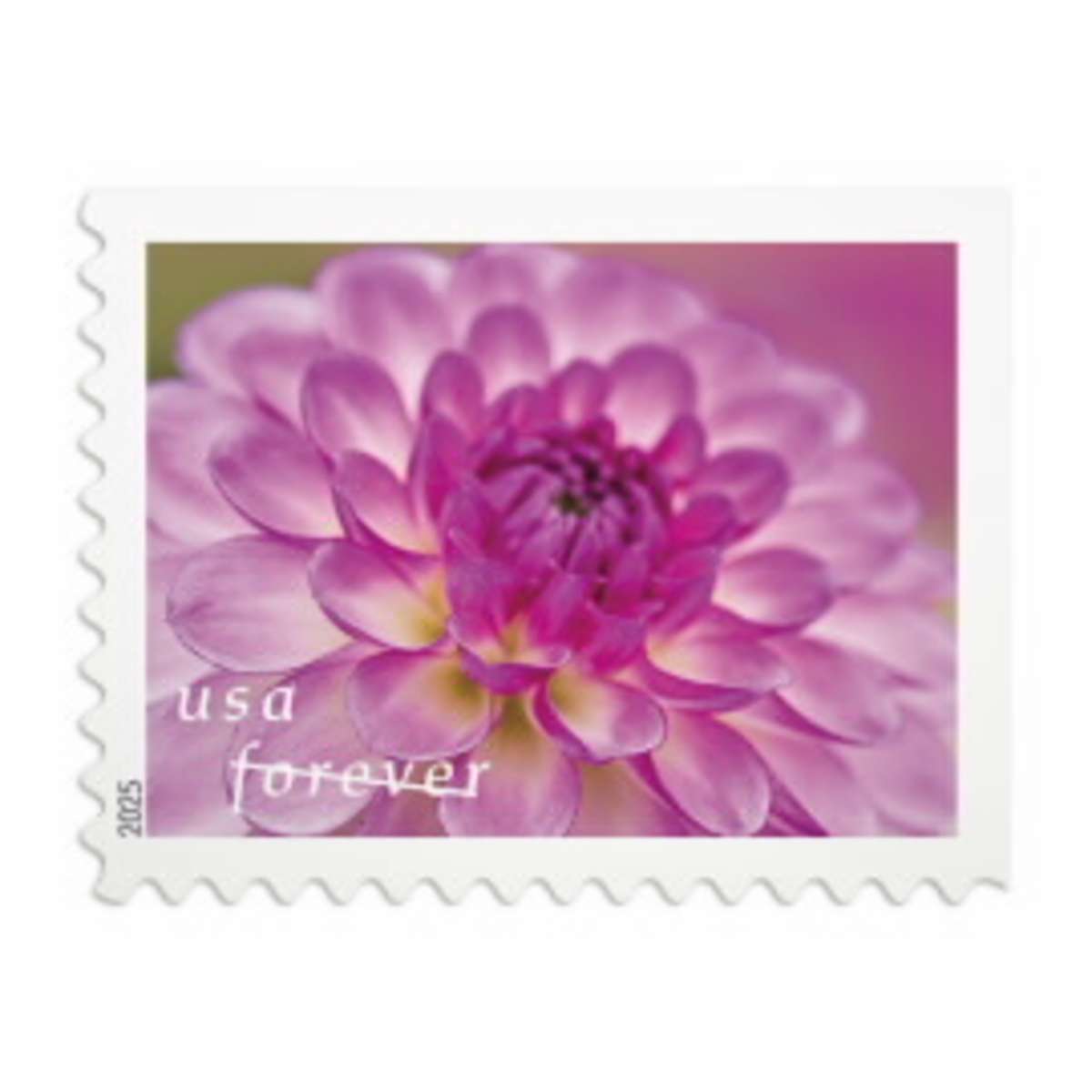


Why a cheap roll of 100 forever stamps is really a time-and-trust policy
Direct mail ROI in a law office is not always marketing. Sometimes it is cash flow. Sometimes it is client reassurance. Sometimes it is a court timeline that punishes delays. The common thread is this: mail that leaves on time protects relationships. Mail that boomerangs back creates friction that spreads into every other workflow.
Jenna tracks two simple metrics in a spreadsheet: pieces sent per week, and rework rate (returned or resent pieces divided by total). That is her “mailroom health score.” If the rework rate rises after a new supplier, the supplier is the problem until proven otherwise.
She gets specific about “rework,” too. Rework is not only postage paid twice. It is a chain: reprint time, envelope restuffing, a second trip to the outgoing tray, and the client-facing cost of uncertainty. If a billing reminder shows up late, you lose days of cash flow. If a notice letter arrives after a deadline, you lose goodwill you cannot buy back with a coupon.
There is also the unglamorous truth about stress. The moment stamps run out, someone is driving to a store. Someone is interrupting a filing. Someone is asking a partner to approve a purchase. Keeping two rolls in reserve prevents that spiral. It is quiet insurance.
If you want a credible external context for why consistency matters, use USPS performance metrics as your baseline. Jenna references USPS service performance reporting as a reminder that delivery is a system; your job is to remove avoidable disruption on your end.

Where to buy a cheap roll of 100 forever stamps without inviting counterfeit risk
This is the uncomfortable part: most people are not good at visually identifying counterfeit stamps. The art can look perfect. The paper can look right. The difference is often in markers the machines detect. Jenna’s procurement logic is simple: trust the channel, not your eyes.
She uses a short approved list and she does not drift.
- USPS (official): USPS is the reference point for authenticity and current designs.
- Preferred reseller (one link, documented invoices): Forever Stamp Store for realistic discounts and stable supply.
- Big platforms for fast restock: Amazon, Costco, and CVS when the office needs a quick replenishment without mystery sellers.
The “discount ceiling” rule matters here. If the implied discount crosses 50% off official rates, it is counterfeit. That is not an opinion. That is an operations boundary. Jenna learned it the hard way and never repeats it.
If your office wants a practical anti-fake checklist, keep it boring:
- Invoice quality: do you get a real invoice that accounting can file?
- Discount sanity: is it modest, or does it look like a “half off” miracle?
- Seller identity: for marketplaces, can you confirm who is actually selling and shipping?
- Consistency: do you get the same product quality across two orders?
Jenna also sets a simple internal rule: if you cannot answer those questions in under 60 seconds, you do not buy for an office workflow. You buy from a channel that already has the boring checks built in.
| Channel | Best For | What to Require | Risk Signal |
|---|---|---|---|
| USPS | Guaranteed authenticity | Receipt / record | Low |
| Preferred reseller | Bulk rolls with realistic discounts | Invoice + consistent unit pricing | Very low |
| Big-box platforms | Emergency restock | Avoid unknown third-party sellers | Low to moderate |
| Social deals / marketplace bundles | Not recommended for office ops | Provenance (usually missing) | High |
If a partner asks “how do we know this is legit,” Jenna points to documentation and policy. Postal compliance is not a vibe. USPS sets standards for commercial mail and operational guidance through PostalPro, and USPS PostalPro is where she sends anyone who wants official language instead of office folklore.
She also uses the word “audit” in a gentle way. Not a scary audit. A weekly five-minute audit: count rolls, compare to the log, check if anyone bought stamps off-list, and fix it before it turns into a story.
How a cheap roll of 100 forever stamps fits a compliance-first SOP (without sounding robotic)
Jenna’s SOP is deliberately short. A mailroom guide that is too long becomes wall art.
- Measure: weigh any thick piece; check rigidity for non-machinable risk.
- Stamp: use the roll for 1 oz letters; add ounce or surcharge coverage when needed.
- Log: record batch count, date, and channel source.
- Reconcile: weekly inventory check; reorder at two rolls.
She also adds two controls that feel “too serious” until they save you. First, stamp access: keep the working roll in the open, keep the reserve rolls in a labeled box, and make one person responsible for moving reserve into working stock. That stops the slow leak of rolls disappearing into desk drawers. Second, remote kits: if attorneys or staff mail from home, build a standard kit that includes a small set of stamps, a few envelopes, and a printed mini-checklist that says “measure thick mail, do not buy stamps from social deals.” Standard kits prevent random purchasing and random mistakes.
Sarah ends her week by checking the safe. He were certain that the firm was protected from the drama of the postage market, and that’s how she wants to keep it. The vendors has to provide a clean trail, and it don’t feel right to gamble on client deadlines.
When you are training a new assistant, show them the station the same way you show them the calendar system. You are not teaching “stamps.” You are teaching how the office protects deadlines. A simple script works: “If it is a normal letter, it gets the standard stamp. If it feels thick or rigid, it goes on the scale. If a vendor looks too cheap, we do not test it on client mail.”
One compliance point that people forget: rules change and guidance evolves. Jenna does not pretend she is a regulator. She keeps one reference link as a sanity check for policy changes: Federal Register USPS rules and notices. When your office sends time-sensitive mail, staying aware is part of staying professional.
Her last step is physical, not philosophical. She resets the station the same way a good barista resets the counter: roll in the drawer, scale powered, labels stacked, log open. That ritual is what prevents Monday chaos. It is also what makes training easy, because the system is visible.
“She were trying to save a few bucks, and then she realized the reruns cost her a whole afternoon.”
— Jenna Park, Litigation Operations Coordinator
That is the real argument for a stamp roll baseline: it is not about obsessing over postage. It is about protecting time, protecting trust, and keeping the office from tripping over the same small problem every week.
Jenna finishes her day the same way she starts it. She checks the drawer, counts the rolls, logs the reorder trigger, and seals the last envelope in the tray. Those stamp look ordinary in the fluorescent light, but the routine they support is what keeps the office moving.

USPS professional based in New York with over 12 years of experience in postal operations. She writes about Forever Stamps, offering practical guidance on safe purchasing and mailing practices while closely following USPS policy updates.