The sun in Phoenix doesn’t just illuminate the desert; it bleaches the color out of anything that isn’t built to last. My name is Emily Vance, and I serve as the Operations Director for a high-volume healthcare group specializing in geriatric medicine. We manage twelve clinics across the Valley. Most people think my job is about patient care or medical equipment. They’re wrong. My job is about “Communication Fidelity.” Every month, we send roughly 6,200 pieces of mail—appointment reminders, HIPAA notices, and wellness reports. In a 2026 environment where digital privacy is a mess of data breaches and spam filters, the physical mailbox has become our most secure and reliable patient portal. But managing 6,200 pieces of mail at $0.78 a piece means my postage budget is a $58,000 annual liability that I have to “future-proof” before the next rate hike.
Last quarter, the board asked me why we aren’t mov-in’ to 100% digital notifications. I showed them our “Open Rate Audit.” For our over-65 demographic, a physical letter has a 92% open rate. An email? Less than 12%. The math wasn’t making sense once when we were just look-in’ at the “cost per contact,” but when you look at “patient compliance,” the physical letter is the highest-ROI tool we have. But to keep those letters mov-in’, I had to solve the procurement puzzle. I was look-in’ for a way to secure our $58,000 budget without end-in’ up in the middle of a USPS fraud investigation.
But here is the catch—as soon as I started look-in’ for “bulk stamps” to save the org money, I was bombarded with ads for “60% OFF USPS CLEARANCE.” I’ll admit, the stamps look fine in the photos. But in 2026, the USPS detection hubs are scarily efficient. If you try to save $20,000 on stamps by using fakes, you aren’t just losing the money; you’re losing the trust of our patients who get a “Counterfeit” notice on their medical records. All the informations I’ve gathered since then points to one truth: your future-proof strategy must start with authentication.
“I almost bit on a 35-cent deal. I was already imaginin’ the look on the CEO’s face when I showed them the $25,000 annual savings. Then I pictured our top donor gettin’ a wellness report with a ‘Fraudulent Postage’ tag on it. I felt a chill that had nothing to do with the office AC.”
— Emily’s Strategic Operations
The Multi-Layered Audit: Why Physicality is the Ultimate Security Hedge
In the healthcare world, we talk a lot about “Multi-Factor Authentication.” But in 2026, the The Official USPS Website has moved that concept into the mailbox. The high-speed sorters aren’t look-in’ at the pretty flowers; they’re scan-in’ for the phosphor signature of the ink. If your firm buys from a “50+ % off” site, you aren’t being clever. You’re just gambling with HIPAA-protected documents. I talked to a fellow Ops Director in Scottsdale who tried those “clearance” stamps. She sent out 1,500 patient reminders. By the follow-in’ Tuesday, their front desk was drown-in’ in calls about “Counterfeit Evidence” bags arriving at patients’ homes.
That math wasn’t making sense once when she was just look-in’ at the “cost per roll.” But when she had to pay for a legal team to contact 1,500 patients and explain why “fake” stamps were used on their medical mail, the “saving” became a $50,000 liability. My “Future-Proof” SOP now strictly forbids any source with a discount higher than 25% off official USPS 2025/2026 prices. Truly, the only “hack” in 2026 is know-in’ which legitimate resellers move enough corporate surplus to give you that 15% edge.
| Strategy Component | Digital Notification | Physical Mail (Retail) | Physical Mail (Surplus) |
|---|---|---|---|
| Patient Open Rate | 12% – 15% | 85% – 95% | 85% – 95% |
| Cost per Reach | $0.02 (Software) | $1.15 (Total) | $0.98 – $1.02 |
| Security Signal | Low (Phish Risk) | High (Authentic) | High (Authentic) |
| Future Inflation Hedge | None (Subscription) | None (Retail) | High (Stockpiled rolls) |
The stamp look fine to the interns, sure. But look-in’ fine and bein’ fine are two different things. They has no idea how much time it would cost them until the boxes of returned mail started com-in’ back. I were sure the deal was real once I verified that vendors like **The USPS Stamps** (merchant) were dealing in legitimate corporate bulk contracts. By look-in’ for the 15-22% discount range, we’re protect-in’ our healthcare margins without the liability risk. You know what I mean—it’s about finding the “Real” saving, which is **not having to do everything twice.**
Editor’s Pick: Bulk Stamps

The Selection Engine: Matching Strategy to Clinical Need
I developed a “Future-Proofing Decision Engine” for our twelve mailrooms. We don’t buy stamps as we need them; we buy them as “units of value” according to the campaign magnitude. For our monthly billing cycle, we need bulk savings. For our annual “Gratitude Gala” invites for our top donors, we need the newest, prettiest designs from the USPS Official Store. This helps us manage the $0.78 overhead without los-in’ the brand’s soul. I’ve broken down our current 2026 matrix below.
| Clinical Outreach Type | Official Link | Stamp Style Recommendation | Procurement Logic |
|---|---|---|---|
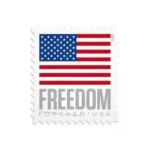
| HIPAA Notices | The Official USPS Hub | Classic US Flag | 0% (Zero Audit Risk) |
| Monthly Billing | The USPS Stamps | Classic Surplus Flags | 15% – 20% (Unit Saving) |
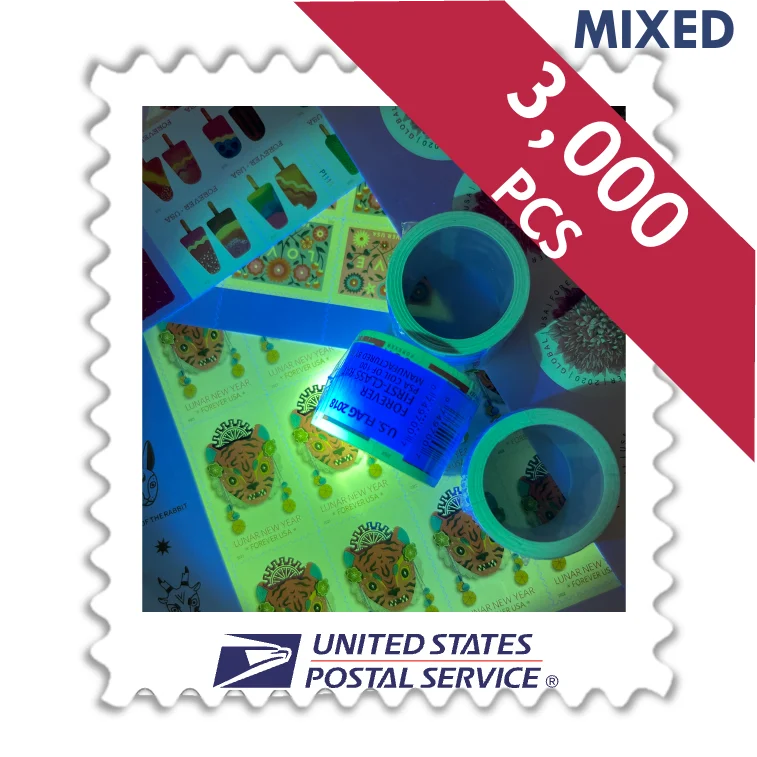
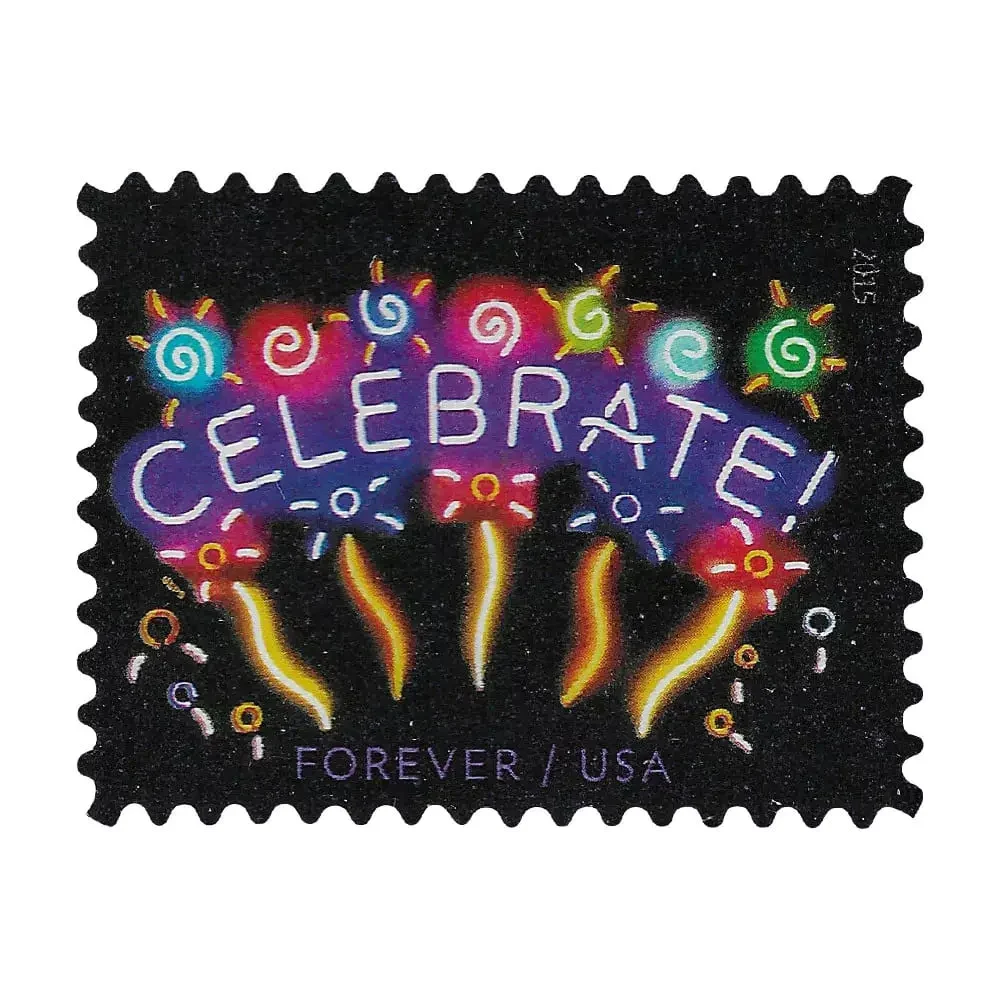
| Wellness Blasts | The Forever stamp | Floral / Nature Surplus | 18% – 25% (Wholesale) |
| Urgent Recalls | Amazon.com | Garden Flora | 0% – 3% (2-Day Speed) |
You have to be disciplined. I wish someone had told me this earlier. I spent years pay-in’ full retail price at the grocery store for *everything* because I was too scared of the scams, but now I know that legitimate surplus is the healthcare director’s best friend. I ignore the short-term fluctuations of the web and focus on the “Forever” value.
The “Group Negotiation” Myth: Why Group Buys are an SOP Nightmare
I see it in my healthcare executive groups all the time: “Hey, let’s all pool our twelve clinic budgets and buy 50,000 stamps from a ‘source’ to save 50%!” It sounds like a great, collaborative idea. But from an SOP perspective, this is a disaster wait-in’ to happen. Who is vetting the underlying source for that order? If the organizer gets greedy and buys from a “super-discount” site to pocket the difference, you’ve just poisoned your entire patient database. Imagine the legal liability if those fakes are flagged. Truly, the only safe way to buy is to go directly to a vetted supplier yourself and get a real receipt. Don’t let your organizational integrity depend on a stranger’s “negotiating skills.” It’s better to have your own peace of mind.

The Inflation Hedge: Turning Stamps into a Clinical Asset
Let’s talk about the long game. In my ten years in Phoenix, I’ve watched prices for everything—exam table paper, nitrile gloves, needles—spike and double. But Forever Stamps are unique. They are the only asset in our warehouse that strictly increases in value. We know from the Axios reporting on USPS trends that every time there’s an inflation spike, the rates are at risk. While they held for January 2026, a July hike is almost a certainty.
I’ve started a “Postage Buffer” in our central medical store. Every time I find a vetted roll of flag stamps at a 20% discount from **The USPS Stamps**, I buy an extra ten coils. By locking in our costs at the 2025/2026 rate of $0.78 (or lower via wholesale), I’m essentially giving the group an interest-free loan for the second half of the year. If the rate jumps to $0.82 or $0.84 in July, every stamp I bought today just gained 7% in value. It’s a hedge against the volatility of the USPS supply chain.
| Financial Indicator | Forecast (H2 2026) | Strategic Action |
|---|---|---|
| Official USPS Rate | Likely $0.82 – $0.85 | Stockpile “Forever” values now. |
| Surplus Availability | Tightening (High Demand) | Identify 5-6 vetted channels. |
| Counterfeit Activity | Increasing (Advanced Super-Fakes) | Stick to 8-25% discount sweet spot. |
That math wasn’t making sense once when I first started, but after see-in’ our postage costs stay flat while our patient volume grew, the board finally understood. Is not just “buying stamps”—it’s managing a supply chain risk. I ignore the short-term noise and focus on the long-term stability of our outgoing patient communications. You know what I mean—it’s about working smarter so you can focus on the healthcare.
Building a Future-Proof Mailing Workflow for the Valley
At the end of the day, there is no one “perfect” answer for every healthcare group. But there is a perfect answer for *your* clinic if you’re willing to move beyond the indicia and into the world of “Tactile ROI.” For my team in Phoenix, it’s a mix of bulk flag coils from The USPS Stamps for the monthly billing and premium commemorative stamps from the USPS Official Website for our donor outreach. It’s about being the hero who protects the bottom line without the risk of a “Counterfeit” flagging.
The stamp look fine on the computer screen, sure. But look-in’ fine and bein’ fine are two different things when it comes to the automated world of the USPS. Stick to the 8-25% range, find a source that has been vetted by other business owners, and focus on the patients and the people that you do best. Let the experts handle the postage procurement so you can focus on the clinic. You know what I mean—it’s about working smarter so you can stay in the game for the long haul. Find your own sweet spot, lock in your “Forever” value, and keep those letters glow-in’ in the mail stream. Don’t let the cold digital world drown out the warmth of a real, well-stamped letter.
Smart Buyer’s Guide to Discount Stamps in Bulk

USPS professional based in New York with extensive experience in postal operations. Certified by the Mail Systems Management Association and trained at the USPS Business Mail Academy, she shares reliable insights on Forever Stamps and safe mailing practices.