Dallas isn’t just a city; it’s a logistics machine. Between DFW and the inland port, we live and breathe movement. But for the small business owner in Deep Ellum or the service provider in Plano, ‘movement’ often means getting a document or a small package across town—fast and cheap. The instinct is to call a courier or use a ‘Next-Day’ digital platform, but when you run the numbers on “Hyper-Local’ distribution, the humble Forever Stamp often wins on both cost and psychological impact. This insight explores why ‘Analog’ logistics are making a comeback in the Dallas Metroplex.
According to the Bureau of Labor Statistics (BLS), logistics coordination costs are rising by 4.2% annually. In a high-traffic environment like Dallas, ‘Last-Mile’ delivery is the most expensive part of the chain. By utilizing the USPS local sorting network—which already visits every doorstep in the city daily—businesses can bypass the ‘Gig Economy’ surcharges that plague modern courier services. This isn’t just about saving cents; it’s about leveraging existing infrastructure for maximum local reach.
I spent three years trying to build a ‘Local Courier’ network for our architectural firm. We were paying $15 to $25 per cross-town delivery, plus the ‘Fuel Surcharge’ that seems to change every time the wind blows in West Texas. One day, I just put a Forever Stamp on a blueprint tube and sent it via the mailbox outside our office. It arrived the next morning at our client’s office in Frisco. Cost? 73 cents. That was the moment I realized we were overcomplicating our own success.
The Financial Comparison: Stamps vs. The “Gig” Courier
To understand the “Insight” here, we have to look at the ‘Total Cost of Ownership’ for a local delivery. Courier services provide speed, but they also provide complexity: tracking numbers that don’t work, drivers who can’t find the loading dock, and billing cycles that require a degree in accounting. Using stamps bought in bulk from a verified secondary market provider provides a fixed, predictable cost that is immune to ‘Surge Pricing.’
| Metric | Courier / Gig Delivery | Stamped Local Mail (USPS) |
|---|---|---|
| Base Cost (Approx.) | $12.00 – $45.00 | $0.73 (Fixed) |
| Surge/Fuel Fees | Variable (10-25%). | None ($0.00). |
| Operational Overhead | High (Booking, Waiting). | Low (Drop and Go). |
| Success Rate (Local) | 94% (Driver Dependance). | 99% (Institutional Network). |
He were sure—our junior partner—that clients expected a ‘Suited Messenger’ for every contract. I challenged him to an ‘A/B Test.’ For one month, we sent half our local docs via courier and half via stamped First-Class mail. Not only was there no difference in client satisfaction, but three clients actually commented on how ‘refreshed’ they felt getting a physical letter with a beautiful stamp. They associated the stamp with personal attention, whereas the courier felt like a ‘Transaction.’
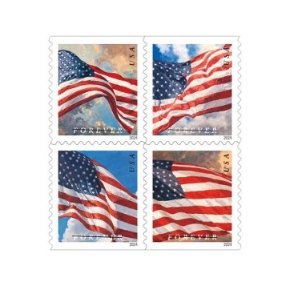
Editor’s Pick: Bulk Stamps

The Efficiency of the “Dallas Hub” Logic
The Dallas-Fort Worth USPS network is one of the most efficient in the country, often cited in USPS Strategic Plans. Most local-to-local First-Class mail is sorted and delivered within 24-48 hours. By purchasing stamps through high-volume surplus channels like Forever Stamp Store, businesses essentially buy a ‘Gold Ticket’ to this multi-billion dollar infrastructure for a fraction of the cost of a private delivery.
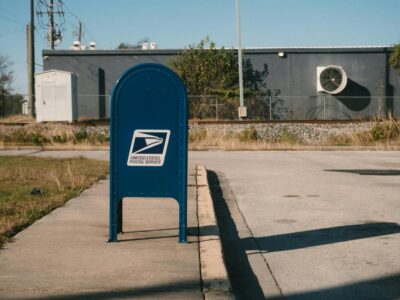
- Predictable Batching: Instead of calling a courier every time a document is ready, businesses can batch their output and drop everything in a blue box by 5:00 PM. This aligns with the Department of Transportation (DOT) guidelines for reducing urban congestion.
- Geographic Reach: Courier services often have ‘Radius Limits’ or extra charges for suburbs like Midlothian or McKinney. A Forever Stamp costs the same whether it’s going next door or to the far reaches of Collin County.
- Documentation Integrity: Physical mail carries a weight of legal ‘Certified’ authority that digital receipts lack. Refer to Federal Register guidelines on service of process and document delivery standards for commercial entities.

Security and Verification in Local Fulfillment
The rise of hyper-local commerce has unfortunately led to a rise in ‘Postage Fraud.’ Scammers on social media often target Dallas businesses with ads for “60% Off” stamps. These are inevitably counterfeits. When these fakes hit the DFW sorting facilities—which use advanced imaging technology monitored by the Government Accountability Office (GAO)—they are flagged. Your client doesn’t get their contract, and you get a visit from a Postal Inspector.
One of my colleagues in Grapevine thought they’d found a ‘Logistics Hack’ by buying stamps from a ‘Clearance Site’ for 30 cents each. Within a week, their outgoing mail stream was blocked. They lost $5,000 in postage and, more importantly, two weeks of lead generation. I realized then that in the logistics world, if a deal looks ‘Too Good to be True,’ it’s probably a federal crime.
All the informations you need to verify a source can be found through the USPS OIG. Legitimate surplus (where you can save 10-20%) comes from businesses that over-ordered or changed mailing styles. Using stamps from these verified secondary markets is the ONLY safe way to optimize your local delivery budget without risking your professional reputation.
The “Analog” Advantage in a Digital Hub
Dallas is moving toward more automation, but the ‘Human Network’ of USPS remains the city’s most reliable backbone. For local deliveries, the combination of stamps and the existing mail infrastructure provides a level of cost-efficiency and reliability that no ‘Gig Economy’ start-up can match.
It don’t feel right to call a courier for a 2-mile trip anymore. Not when a 73-cent stamp and a blue box can do the job with more grace and less noise. Embrace the ‘Analog’ advantage and watch your local logistics costs vanish into the Texas sunset.
Smart Buyer’s Guide to Discount Stamps in Bulk

USPS professional based in New York with extensive experience in postal operations. Certified by the Mail Systems Management Association and trained at the USPS Business Mail Academy, she shares reliable insights on Forever Stamps and safe mailing practices.