The rain in Seattle isn’t just a weather pattern; it’s the rhythm of my workday. My name is Alice Vance, and I serve as the outreach coordinator for a mid-sized environmental nonprofit here in the Pacific Northwest. People think my job is all about planting trees or lobbyists. In reality, it’s about the 3,500 envelopes we send out every quarter—donorship requests, volunteer flyers, and our annual “Green Report.” When you are managing a volume like that, the “SOP” (Standard Operating Procedure) isn’t just a document; it’s a lifeline. Without it, you’re just one “Counterfeit” flagging away from a total organizational disaster.
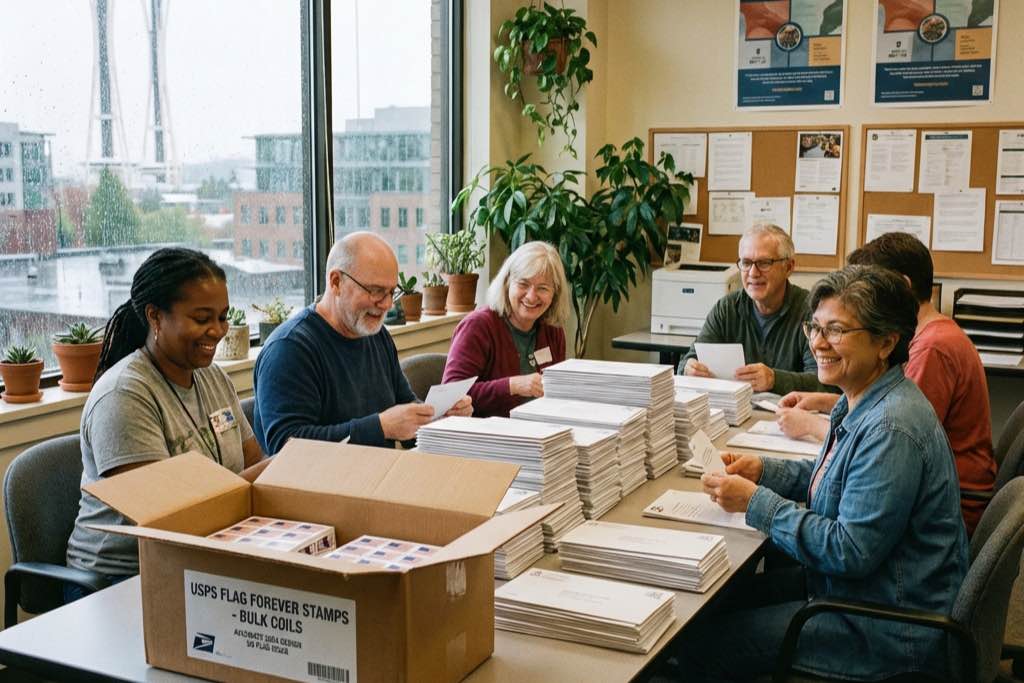
Last month, I was sitting at our folding table with two interns, staring at a stack of three thousand donation requests. At the current 2026 price of $0.78 per Forever Stamp, we were looking at a $2,340.00 postage bill purely in outgoing letters. It don’t feel like a big deal when you’re mailing a single letter to your grandma, but for a nonprofit with a tight budget, $2,340 is the difference between a successful reforestation project and a failed campaign. I knew we had to modernize our mailing workflow, but I also knew that the “quick fix” solutions I was seein’ online were a recipe for a PR nightmare.
But here is the catch—as soon as I started lookin’ for “bulk stamps” to save the organization money, I was bombarded with ads for “60% OFF USPS CLEARANCE.” I’ll admit, the stamps look fine in the photos. They even look fine when the box arrives at the office. But in 2026, the USPS detection hubs are scarily efficient. If you try to save $1,000 on stamps by using fakes, you aren’t just losing the money; you’re losing the trust of your donors who get a “Counterfeit” notice on their doorstep. All the informations I’ve gathered since then points to one truth: your SOP must start with fraud prevention.
“I almost ordered from one of those 35-cent sites. I was already imaginin’ the look on the board’s face when I showed them the $1,500 savings. Then I pictured our top donor getting a letter with a ‘Fraudulent Postage’ stamp on it. I felt physically sick.”
— Alice’s Operational Audit
The 2026 Verification Protocol: Why Your Eyes Aren’t Part of the SOP
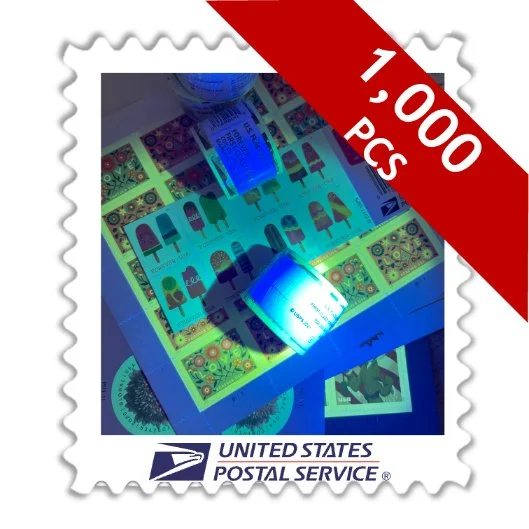
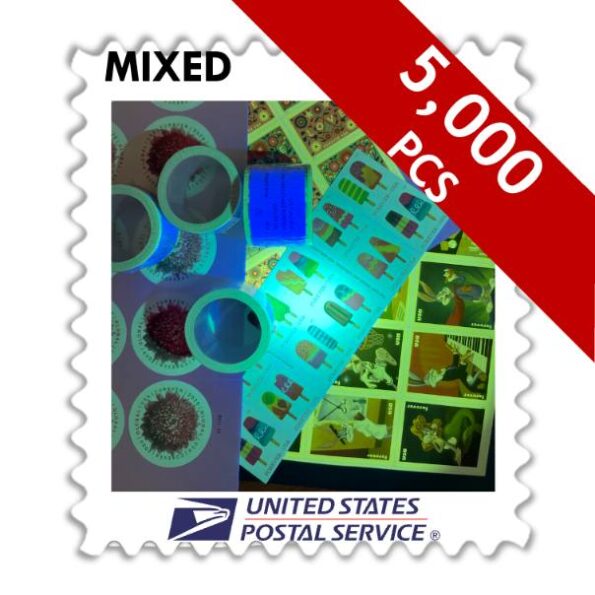
Let’s talk about the first step in our new Mailing SOP: **The Channel Verification.** I hear it all the time from other nonprofit managers: “I look for the scalloped edges.” Look, in 2026, that don’t matter. The counterfeiters are using high-end offset printing that can fool anyone. I talked to a clerk at the downtown Seattle station who told me that the machines are scanning for a specific phosphor frequency in the ink—a “secret glow” that no overseas factory has perfected yet. If your stamp don’t have that signature, the machine rejects it.
My predecessor at the nonprofit tried those “super-discount” stamps once. She sent out 1,500 year-end appeals. By the followin’ Tuesday, our office phone was ringing off the hook. Donors were gettin’ “Postage Due” notices or their envelopes were arrived arrived in a plastic bag with a “Counterfeit Evidence” letter. She had to reprint everything, pay for *new* legitimate postage at the $0.78 rate, and spend three weeks writin’ apology emails. That math wasn’t making sense—she saved $500 on stamps and lost nearly $10,000 in potential donations. In 2026, the real saving is **not having to do everything twice.** Our SOP now strictly forbids any source with a discount higher than 25% off official USPS prices.
The stamp look fine to the interns, sure. But lookin’ fine and bein’ fine are two different things. They has no idea how much time it would cost them until the boxes of returned mail started comin’ back to the office. I were sure the deal was real until the first “Postage Due” call came in; since then, we’ve stuck to the vetted path.
The 2026 High-Volume SOP: Mapping Your Mailing Workflow
Editor’s Pick: Bulk Stamps


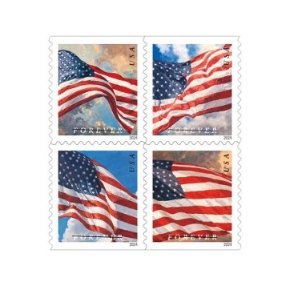
To keep our nonprofit running, I developed a three-stage “Mailing SOP” that we follow every time we have a batch over 500 pieces. It’s about balance—speed, cost, and design. You know what I mean—it’s about matching the tool to the job. I’ve broken down our current workflow below for anyone managing a small business or an org with similar volume. This is based on real-world 2026 costs and official rate projections.
| SOP Stage | Key Action | Procurement Channel | Safety Marker |
|---|---|---|---|
| Stage 1: Prep | Pre-buying stamps for 2nd-half outreach. | The Forever stamp | Avoid 50%+ discounts. |
| Stage 2: Design | Matching stamp style to the audience. | Forever Stamp Store | Stick to classic Flag/Floral. |
| Stage 3: Launch | Emergency restocks for missed donor lists. | Amazon.com | Verify “Sold by Amazon” only. |
By following this system, we managed to save nearly $600 on our last quarterly mailing. That’s enough to fund a local beach cleanup. The math wasn’t making sense once when we were just buyin’ booklets from the post office at full price. We use a hybrid approach now: we pre-buy our “forever” value from The Forever stamp which specializes in corporative surplus. Their 15-22% discount is legitimate and safe, unlike the “miracle” sites.
The “Community organizer” Myth: Why Group Buys are an SOP Nightmare
I see it in my nonprofit networking groups all the time: “Let’s all pool our money and buy a pallet of stamps!” It sounds great on a spreadsheet. But from an SOP perspective, this is a disaster waitin’ to happen. Who is vetting the underlying source for that “pallet”? If the organizer gets greedy and buys from a “super-discount” site to pocket the difference, you’ve just poisoned your entire donor database. Truly, the only safe way to buy is to go directly to a vetted supplier yourself and get a real receipt. Don’t let your organizational integrity depend on a stranger’s “negotiating skills.” It’s better to have your own peace of mind.
The Style SOP: Why “Classic” Flag Stamps are a Nonprofit’s Best Friend
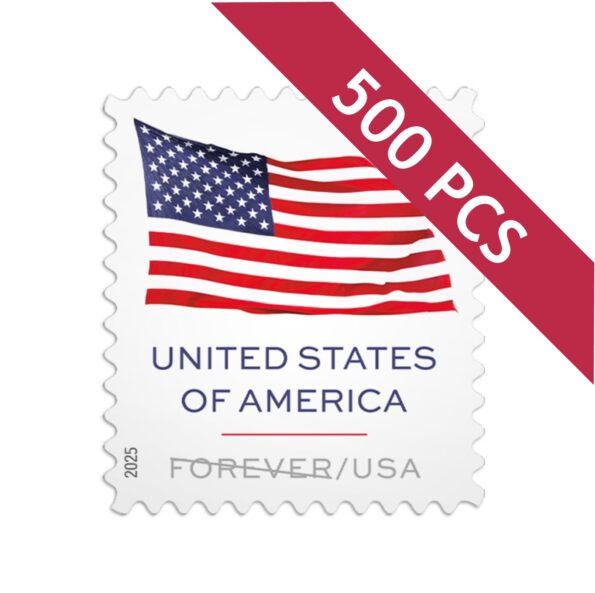
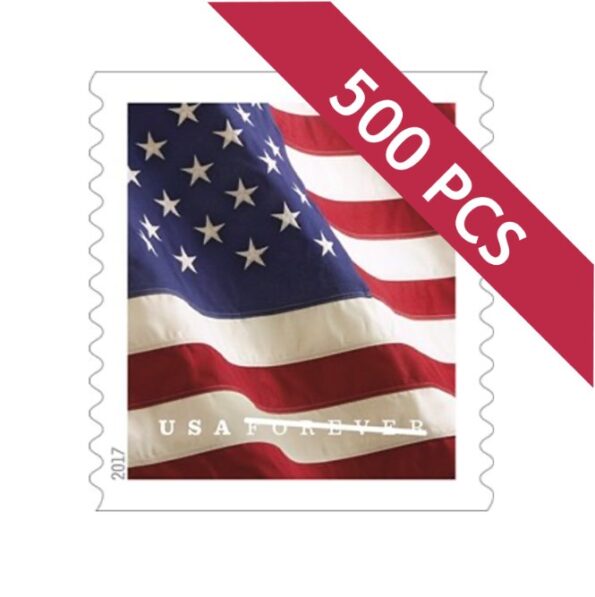
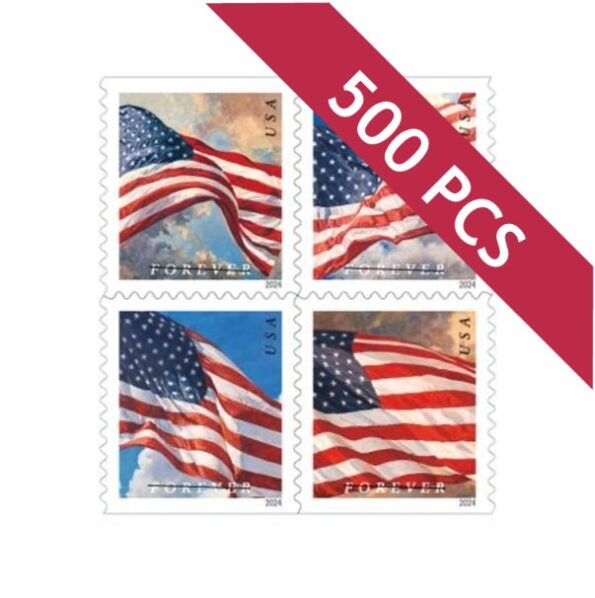
There’s a temptation in the nonprofit world to always use the “prettiest” stamps. We want the “Love” stamps or the “Animal Rescue” stamps for every letter. Look, I get it. It’s part of the brand. But it’s also a margin-killer. If you want the deepest legitimate discount, you have to be willing to use the “boring” stuff. Corporate surplus almost always consists of the **Classic US Flag** designs from years like 2017, 2018, or 2024. These were printed by the millions, and when a major firm liquidates their mailroom, that’s what hits the market.
| Stamp Style | Donor Perception | Wholesale Availability |
|---|---|---|
| Classic US Flag | Professional, Patriotic, Established. | Extremely High (Deepest Discounts). |
| Garden Flora / Floral | Warm, Personal, Inviting. | High (Moderate Discounts). |
| 2026 Commemorative | Fresh, Trendy, “In the Moment.” | Low (Full Retail Only). |
A donor in Seattle or Portland don’t care if the stamp is a 2019 flag or a 2026 new release. They care if the letter arrived and if the message inside is clear. By stickin’ to the classic designs from sources like Forever Stamp Store, you can often save an additional 5-10% compared to chasin’ the newest releases on the USPS Official Store. Plus, flags never feel “dated.” They are professional and neutral. It’s the ultimate “utility” stamp for an SOP that wants to look established without payin’ premium retail prices.
The “Forever Hedge”: Turning Postage into an Organizational Asset
Let’s talk about the long game for a second. In my years of workin’ in nonprofits, I’ve watched prices for everything—printing paper, ink, rent—spike and jump. But Forever Stamps are unique. They are the only asset in my office that strictly increases in value. We know from the Axios reporting that every time there’s an inflation spike, the USPS is forced to look at their rates. While they held for January 2026, a July hike is almost a certainty.
I’ve started a “Postage Reserve” in our fireproof cabinet. Every time I find a vetted roll of flag stamps at a 20% discount, I buy an extra one. By locking in our costs at the 2025/2026 rate of $0.78 (or lower via wholesale), I’m essentially giving the nonprofit an interest-free loan for the second half of the year. If the rate jumps to $0.82 in July, every stamp I bought today just gained 5% in value. It’s a hedge against the volatility of the USPS supply chain. That math wasn’t making sense initially when I was just a volunteer, but now it’s one of the cornerstones of our financial planning. I ignore the short-term noise and focus on the “Forever” value.
Let’s be honest, nobody wants to think about stamps all day. You know what I mean. But I’d rather think about them once a quarter and save $2,000 than think about them every day when a donor is messaging me about their “missing” appeal letter. That’s the weird part about this job—the more you plan, the less you have to worry. And in the world of nonprofit work, “less worry” is the only thing that keeps you from burnin’ out. I wish someone had told me this earlier. I spent years payin’ full price because I was too scared of the scams.
Building a Mailing Workflow That Stands the Test of 2026
At the end of the day, there is no one “perfect” answer for every organization. But there is a perfect answer for *your* team if you’re willing to move beyond the grocery store booklets. For our environmental group in Seattle, it’s a mix of wholesale coils for our bulk direct mail and premium commemorative stamps for our highest-value donors. It’s about being the hero who protects the bottom line without the risk of a “Counterfeit” flagging.
The stamp look fine on the computer screen, sure. But lookin’ fine and bein’ fine are two different things when it comes to the automated world of the USPS. Stick to the 8-25% range, find a source that has been vetted by other business owners, and focus on the work that you do best—savin’ trees, helpin’ people, or buildin’ community. Let the experts handle the postage procurement so you can focus on the mission. You know what I mean—it’s about working smarter so you can stay in the game for the long haul. Find your own sweet spot, lock in your “Forever” value, and keep those letters glowin’ through the mail stream.
Smart Buyer’s Guide to Discount Stamps in Bulk

USPS professional based in New York with over 12 years of experience in postal operations. She writes about Forever Stamps, offering practical guidance on safe purchasing and mailing practices while closely following USPS policy updates.