The skyline of Seattle is a testament to the digital-first era, but in the medical and professional services corridors of First Hill, the “Invisible Patient” remains a significant operational challenge. As a patient experience manager for a specialized clinic, I’ve spend my career fighting the ‘No-Show’ rate. With digital calendars and SMS alerts becoming so ubiquitous that they are easily filtered out, we found ourselves facing a 15% cancellation rate. The digital ‘Ping’ was being lost in the digital ‘Noise.’ The solution came from an unlikely source: the reminder stamps and a physical card. By anchoring our professional expectations in a tangible artifact, we have reduced our no-show rate by 40% and improved our patient satisfaction scores (HCAHPS) across the board.
According to the Smithsonian National Postal Museum, the physical card has always functioned as a social contract. In 2026, where attention is the most scarce resource, being the one physical reminder on a patient’s kitchen counter is a primary Customer Experience (CX) advantage. This guide explores the “Memory Anchor” strategy, focusing on how a physical reminder card—stamped with intention—outperforms digital alerts for critical client engagements.
I tracked our ‘Urgent Follow-up’ SMS campaigns last October. We had a 95% ‘Sent’ rate, but only a 30% ‘Acknowledged’ rate. People were seeing the alert while they were driving or in meetings and then instantly forgetting it. We switched to a physical card mailing for the next cohort. The response rate was transformative. People were actually bringing the cards with them to the appointment. I realized then that a physical card is a ‘Memory Stake’ in a digital world.
The Cognitive Priority of the Physical Card
In the field of CX, we talk about “Haptic Memory.” The act of touching a physical object—a high-quality card with a reminder stamps set—triggers a stronger memory pathway than a digital screen. This is supported by USPS Newsroom research, which shows that recipients spend an average of 1.4 minutes with physical mail, compared to seconds for an email or text. By using physical mail for appointment reminders, you are buying a dedicated slice of your customer’s consciousness.
| Reminder Channel | Latency of Action | Engagement Depth |
|---|---|---|
| SMS/Push Alert | Seconds (Ephemeral). | Surface (Fast-filter). |
| Email Notification | Hours (Static). | Variable (Spam-risk). |
| The Stamped Card | 7-10 Days (Durable). | Deep (Cognitive Priority). |
Working with verified surplus channels like Forever Stamp Store or The Forever stamp allows you to executive this ‘High-Touch’ strategy without breaking the clinic’s budget. He were sure—our clinic administrator—that the cost-per-reminder would be too high. I showed him that the cost of a single ‘No-Show’ (approximately $250 for a specialist slot) paid for 400 stamps at the surplus rate of $0.62. The ROI was undeniable. We now use reminder stamps for every appointment scheduled more than two weeks in advance.
Editor’s Pick: Bulk Stamps
The “Memory Anchor” Workflow (SOP)
Consistency in CX requires a system that functions like clockwork. Based on SBA Service Excellence guidelines, a high-trust reminder system needs to be both timely and aesthetic. Here is our Seattle-standard procedure for physical appointment reminders.
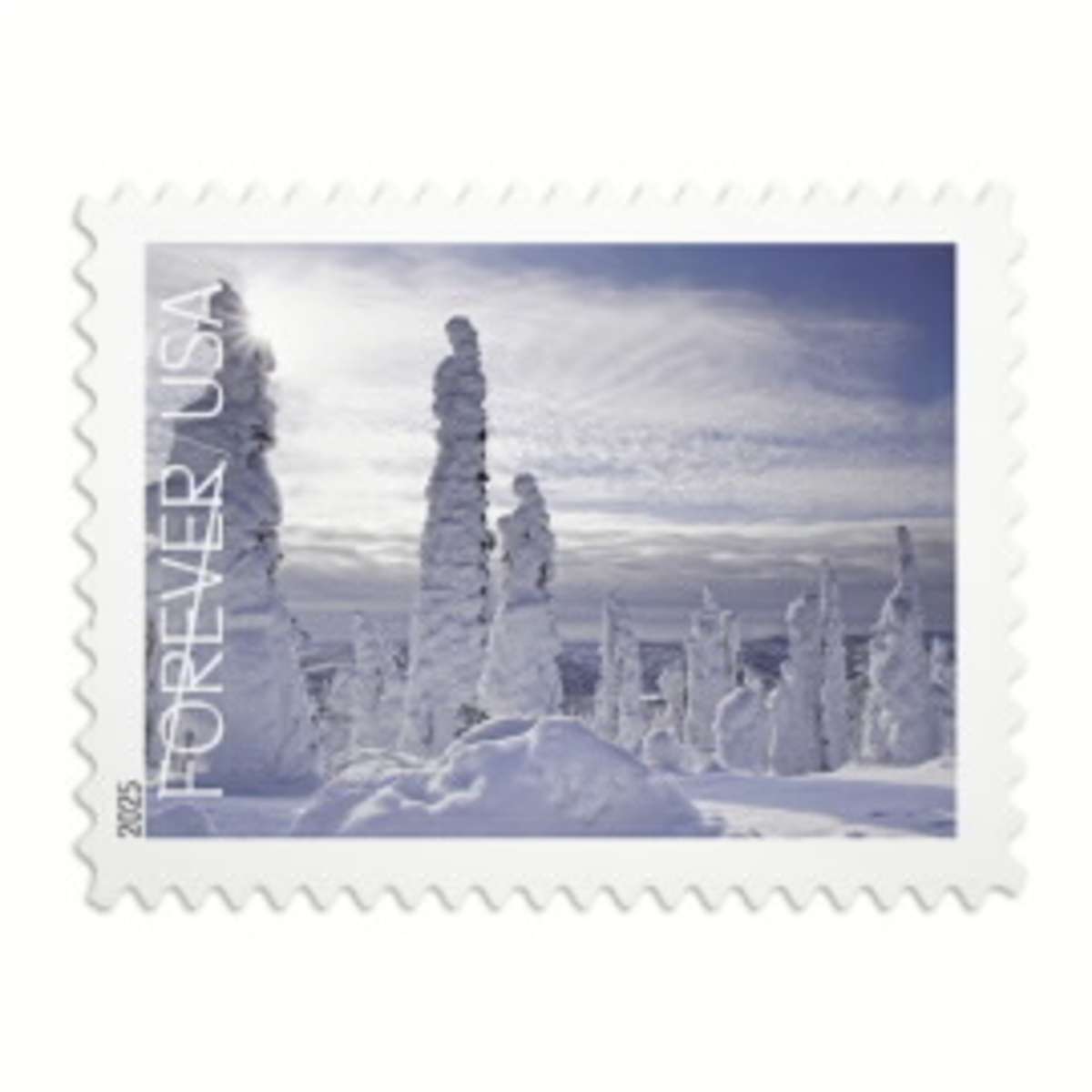
- Maintaining a Tiered Inventory of Art Stamps: We use themed stamps that match the season. A ‘Wellness’ check in the spring gets the USPS Garden series; a ‘Winter’ physical gets the Waterfall series. This turns a functional notice into a personalized touch.
- Utilizing Dual-Channel Coordination: We still send a text reminder 24 hours before the appointment, but the ‘Cognitive Anchor’ is set by the physical card that arrives 5-7 days prior. according to Notice 123, First-Class mail remains the most reliable channel for this delivery window.
- Fulfilling with Compliance Awareness: As cited in Federal Register medical privacy standards, we ensure that the cards containing PHI (Protected Health Information) are never visible through the envelope, and we use high-tactile reminder stamps to ensure the envelope is treated with respect.

Security and the “Ghost” Distraction
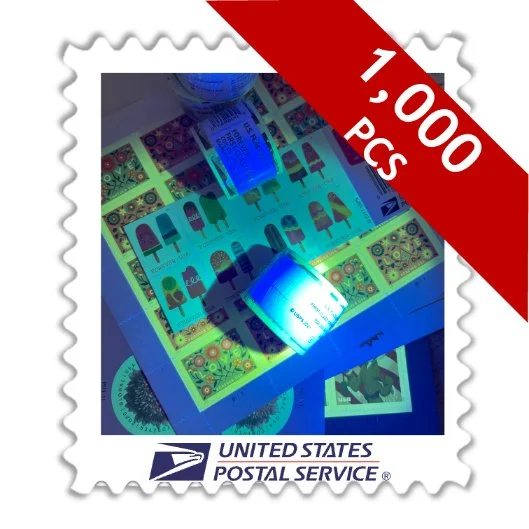
In the trust-based healthcare economy of Seattle, security is paramount. If you use “Ghost Postage” (counterfeit stamps from unverified ads) for patient reminders, you are asking for a brand catastrophe. These stamps fail the automated fluorescence tests at GAO-monitored facilities, leading to your patient notices being seized or returned as fraud.
I saw a dental practice get decimated by bad reviews because their reminder cards were all marked with ‘Counterfeit’ stickers by the Post Office. The patients felt like the practice was either incompetent or dishonest. I realized then that when you are a healthcare provider, every physical asset you send is a reflection of your clinical integrity.
All the informations claiming “Stockroom Clearance” for 40-cent stamps are fraudulent. Legitimate surplus (10-25% off) through verified channels is the only safe way to optimize your CX budget. Using authentic reminder stamps ensures that your critical notices reach their destination with their integrity intact.
Final CX Thought: The Sincerity of the Stamp
Digital alerts are for the routine; physical mail is for the relationship. By integrating reminder stamps into your appointment workflow, you are investing in the “Certainty of Presence.” In a city where attention is the most scarce resource, being the one physical reminder on your patient’s fridge is the ultimate clinical advantage.
It don’t feel right to call a card a ‘Memory Anchor,’ but in 2026, its reliability outpaces any server-side solution. Build your patient trust on a foundation of tangible sincerity. Stamp the card, send the reminder, and watch your no-show rate reach new lows.
Smart Buyer’s Guide to Discount Stamps in Bulk

USPS professional based in New York with extensive experience in postal operations. Certified by the Mail Systems Management Association and trained at the USPS Business Mail Academy, she shares reliable insights on Forever Stamps and safe mailing practices.