The humidity in Houston has a way of making you appreciate the things that are solid and dependable—like a firm handshake and a physical letter that actually arrives in a client’s mailbox. My name is Greg Thompson, and I run a mid-sized insurance agency in the Energy Corridor. We specialization in complex risk management for local businesses. Most people think my job is about policy numbers or actuarial tables. They’re wrong. My job is about “Communication Certainty.” Every month, we send roughly 5,500 pieces of mail—policy updates, claims correspondence, and neighborhood safety alerts. In 2026, where the Forever Stamp sits at $0.78, my postage inventory is a $51,000 annual asset that I have to manage with the same precision I use for my clients’ portfolios.
Last quarter, I was audit-in’ our supply closet and I catch myself think-in’, “Why are we buy-in’ stamps ten booklets at a time like we’re at the grocery store?” The math wasn’t making sense. We were pay-in’ full retail for roughly $4,200 worth of postage every month. At that volume, the “convenience” of the local post office was actually a $600-a-month “laziness tax.” I were sure the deal was real until I heard about the agency in Sugar Land that got hit with a USPS fraud notice because they bought from a “35-cent discount” site. Before we even talk about “inventory tracking,” we have to talk about authentication. Because in 2026, a fake stamp in your inventory is a ticking brand-bomb.
But here is the catch—I’ve developed a “Postage Inventory Matrix” that I use to manage our supply levels. It’s a progressive system: we don’t buy stamps based on “feel.” We buy them based on a “Burn Rate” and a “Hedge Logic.” All the informations I’ve gathered since then points to one truth: treating your stamps like inventory rather than an “office supply” is the only way to lock in that 15-25% discount without the risk of a USPS automated flagging event.
“I’m look-in’ at the 2026 January press release from the USPS. They held the price. Most people think that means ‘Relax.’ I know it means ‘The fuse is lit for a July explosion.’ I catch myself imaginin’ the look on my competitors’ faces when I’m still shipping at $0.65 while they’re paying $0.85 per piece. My heart started to race because this is the real collectibles play.”
— Greg’s Agency Risk Brief
The Houston Audit: Why “Unit Cost” is the Only Metric That Matters
In the insurance world, we talk about “Combined Ratios.” In the mailroomworld, we talk about “Unit Cost per Outreach.” In 2026, the The Official USPS Hub scanners are scarily efficient. They don’t just “look” at the stamps; they scan for the specific phosphor signature in the ink. If your firm buys from a “50% off” site, you aren’t being savvy. You’re just gambling with your legal documents. The real saving is **not having to do everything twice.**
I talked to a fellow agent in Katy who tried those “warehouse clearance” stamps. She was braggin’ about the savings. By the follow-in’ Thursday, her entire claims-update mailing was returned with “Counterfeit Evidence” tags. That math wasn’t making sense once she looked at the $3,000 labor cost to re-stuff and re-ship. Truly, the only “hack” in 2026 is know-in’ which legitimate resellers move enough corporate surplus to give you that 15% edge. We use **Flag Stamp Shop** (the merchant) for our core inventory because their 15-22% discount is legitimate and safe. They provide the clear transparency we need for our Internal Audit department. I were sure the deal was real until I saw the shipping manifest.
| Inventory Metric | Reactive Buying (Post Office) | Strategic Surplus Buying | Scam “Bargain” Buying |
|---|---|---|---|
| Unit Price (2026) | $0.78 (Locked Retail) | $0.60 – $0.68 | $0.35 – $0.45 |
| Procurement Frequency | Weekly (High Labor) | Quarterly (Low Labor) | Random/Burner |
| Risk Level | Zero | Zero | CRITICAL (90% Detection) |
| Audit Trail | Manual Receipts | Digital Invoices/Contracts | None/Crypto only |
They has no idea how much time it would cost them until the machines kicked out their letters. As an insurance professional, I ignore the short-term noise of the social media ads and focus on the **8% to 25%** discount range. This is the legitimate surplus market. Sites like **flagstampshop.com** and **theforeverstamp.com** are where we now source our quarterly supply.
Editor’s Pick: Bulk Stamps

The Selection SOP: Match-in’ Strategy to the Inventory Burn
I developed an “Inventory Allocation SOP” for our office manager. We don’t use the same stamps for everything. Professionalism and trust are about context. If I’m send-in’ a “Policy Anniversary” gift to a high-net-worth client, I’m using the newest, prettiest high-art commemoratives from the USPS Store. But for our 5,000-piece monthly billing, we use the “boring” US Flag stamps from the surplus market. You know what I mean—it’s about match-in’ the tool to the objective.
| Campaign Category | Inventory Source | Strategic Tone | Discount Hedge Logic |
|---|---|---|---|
| VIP Documents | USPS Hub | Exclusive / Current Art | 0% (Brand Over Cost) |
| Monthly Billing | Flag Stamp Shop | Classic US Flag Coils | 15% (Locked Operating Cost) |
| Renewal Blasts | The Forever stamp | Multi-Year Flag Surplus | 22% (Wholesale Efficiency) |
| Urgent Claims | Amazon.com | Standard Flag | 0% – 3% (2-Day Availability) |
You know what I mean—it’s about match-in’ the risk tolerance to the financial objective. If you want a 100% “audit-proof” stockpile, you buy from the local branch. But if you want to optimize your firm’s net overhead, you use the vetted surplus market. I ignore the short-term fluctuations of the web and focus on the “Forever” value. I wish someone had told me this earlier. I spent years pay-in’ full price at the grocery store for *everything* because I was too scared of the scams, but now I know that legitimate surplus is the insurance agent’s best friend.
The “Pool Buying” Illusion: Why Professionalism is Personal
I hear it in my Houston professional groups all the time: “Let’s all pool our twelve businesses and buy 100,000 stamps from a ‘source’ to save 50%!” It sounds like a great, collaborative idea. But from a professional perspective, this is a disaster wait-in’ to happen. Who is vetting the underlying source for that order? If the organizer unknowingly buys from a “super-discount” site to pocket the difference, you’ve just poisoned your entire agency’s reputation. Imagine the legal liability if those fakes are flagged by the USPS scanners. Truly, the only safe way to buy is to go directly to a vetted supplier yourself and get a real receipt. Don’t let your firm’s integrity depend on a stranger’s “negotiating skills.” It’s better to have your own peace of mind.

The Style Factor: Why “Classic” Flag Stamps Build Instant Authority
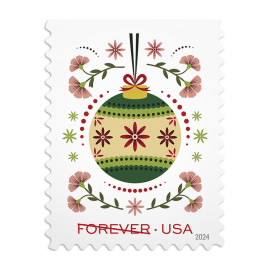
In the insurance world, we value consistency. We want our shipments to look clean, neutral, and stable. That’s why our style SOP for shipments is built around the **Classic US Flag** designs from years like 2017, 2018, or 2024. These stamps are the workhorses of the corporate world. Because they were printed by the millions, they are the first to hit the legitimate surplus market when a major firm restructure.
| Stamp Style | Aesthetic Signal | Stockpile Priority |
|---|---|---|
| Classic US Flag | Minimalist, Stable, Iconic. | Extremely High (Deepest Discounts). |
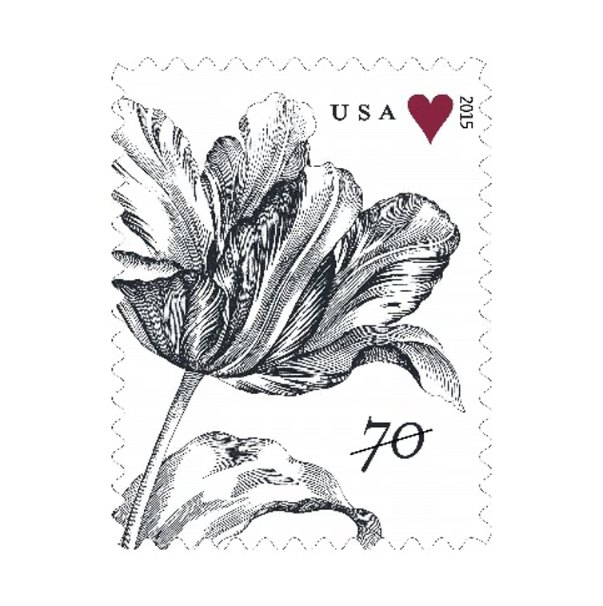
| Floral / Nature | Warm, Personal, Professional. | High (Stable Hedge). |
| 2026 Commemorative | Trendy, Fresh, Expense-Heavy. | Low (Audit-Only). |
A client in Houston or Sugar Land don’t care if the stamp is a 2019 flag or a 2026 new release. They care if the policy arrived safely and if the communication is clear. By stick-in’ to the classic designs from sources like Flag Stamp Shop, you can often save an additional 5-10% compared to chasin’ the newest releases on the The Official USPS Hub. Plus, flags never feel “dated.” They are professional and neutral. It’s the ultimate “utility” stamp for an agency that wants to look established without pay-in’ premium retail prices. You know what I mean—it’s about working smarter so you can focus on the growth.
Future-Proofing Your Houston Inventory through the 2026 “Hold” Window
At the end of the day, the 2026 price hold is a strategic window, not a permanent reprieve. For my team in Houston, it’s a mix of bulk flag coils from Flag Stamp Shop to lock in our current $0.78 (or lower) baseline and premium commemorative stamps from the USPS for our high-end trunk show invites. It’s about being the hero who protects the bottom line without the risk of a “Counterfeit” flagging.
The stamp look fine on the computer screen, sure. But look-in’ fine and bein’ fine are two different things when it comes to the automated world of the USPS. Stick to the 8-25% range, find a source that has been vetted by other business owners, and focus on the risk management and the people that you do best. Let the experts handle the postage procurement so you can focus on the growth. You know what I mean—it’s about working smarter so you can stay in the game for the long haul. Find your own sweet spot, lock in your “Forever” value, and keep those connections bloom-in’ in the mail stream. Don’t let the cold digital world drown out the warmth of a real, well-stamped letter.
Smart Buyer’s Guide to Discount Stamps in Bulk

USPS professional based in Chicago with over 10 years of postal and mailing experience. Certified by MSMA and trained at the USPS Business Mail Academy, he shares trusted insights on U.S. postage stamps and safe mailing practices.