You and I both know the feeling: a stack of envelopes, a deadline that’s not exactly generous, and you’re side-eyeing the price of stamps like, “Really, again?” Heading into 2026, when budgets are tight and mail still matters (for weddings, invoices, thank-yous, nonprofit appeals), saving even a few cents per stamp adds up. But here’s the truth most buyers learn the hard way: the hunt for “discount” stamps can be a minefield. Good deals exist. Plenty. And fake ones? Too many.
Let’s make this simple and human. First we protect you from counterfeits. Then we match your needs—quantity, design, timing—to the right channel. And finally, we show you smart ways to save that don’t risk your mail getting rejected. Deal?
Pricing context for 2026 in the U.S.
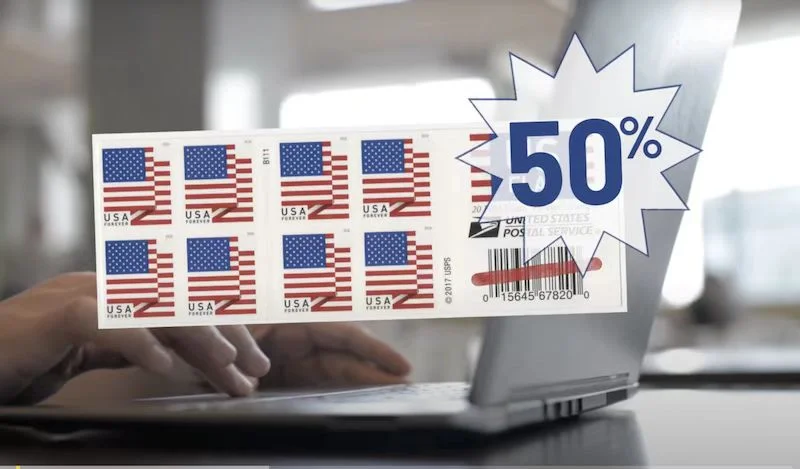
A quick reset before we dive in: the current First‑Class Mail one‑ounce letter rate is 78 cents, reflecting the 2025 mid‑year adjustment. USPS has publicly stated there will be no price change in January 2026; rate stability is expected until at least summer 2026. Translation: if you lock in now with genuine Forever Stamps, they’ll still cover a one‑ounce letter through mid‑2026 without any mid‑winter surprises.
And that matters. Because saving starts with predictability—you avoid re‑pricing pain and “oops, we need more” rush trips. Be cautious, though, with sites promising massive markdowns and miracle deals; even legit dealers remind buyers not to chase “too good to be true” discounts.
Tip: Forever Stamps retain mailing value equal to the current one‑ounce rate at the time of use. So buying now at 78¢ protects you if rates rise later.
The quick reality check: how much discount is too much?
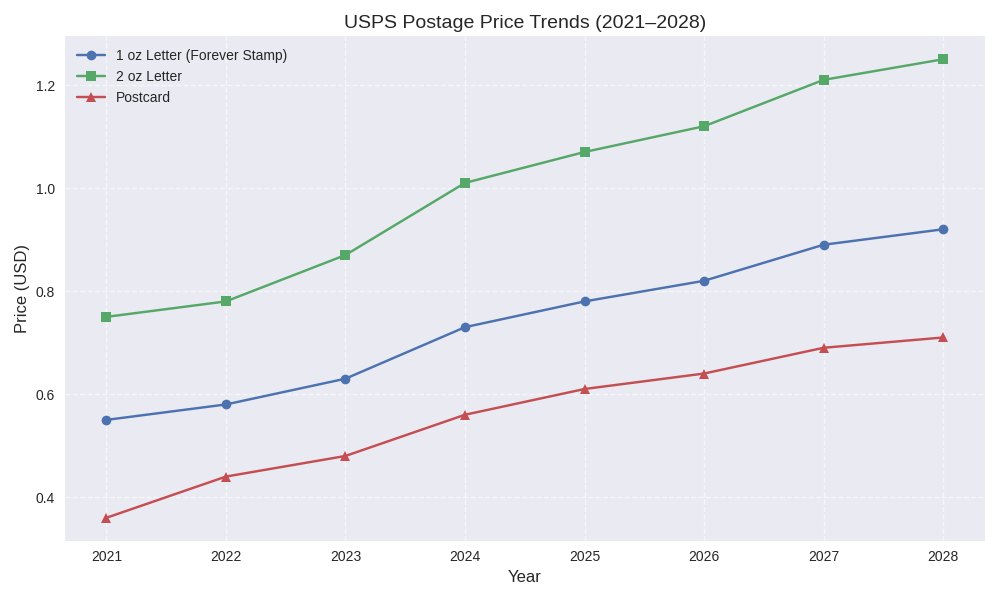
- Rule of thumb: Discounts greater than 50% should be treated as counterfeit—full stop. Real Forever Stamps don’t sell for half price from unknown marketplaces.
- High‑risk platforms: Shein, Temu, random social ads, and “new” marketplace sellers with thin histories. If you see 70–90% off, that’s not a deal; it’s a trap.
- Reasonable savings: Think small, consistent, and boring: 5–20% from reputable sources and authorized retailers. Sometimes slightly higher during promo windows or bulk purchases, but never extreme.
A buyer named Megan, an office admin in Dallas, told me: “I thought I was clever snagging those ‘holiday blowout stamps’—super cheap, like 80% off. The post office rejected them. I had to re‑stamp 300 envelopes during Christmas week. My inner voice was screaming: Megan, why did you do this to yourself? Never again.”
Yes, that voice matters. Listen to it.
How to choose the right purchase channel
The best channel for you depends on three things: your volume, your design needs, and when you need delivery. Let’s walk through the main routes like a friend who’s already been burned—and learned.
Channel comparison at a glance
| Channel | Typical discount | Authenticity risk | Speed | Design selection | Best for |
|---|---|---|---|---|---|
| USPS.com / Post Office | 0–5% (rare promos) | Lowest | Medium | High | Weddings, official mail, risk‑averse buyers |
| Authorized online dealers | 5–20% | Low–Medium (pick established sites) | Fast | Medium | Small business bulk, seasonal mailings |
| Amazon / eBay | 5–15% (seller‑dependent) | Medium | Fast | Medium | Deal hunters with seller vetting skills |
| Big box (Costco, Walmart) | 0–10% | Low | Fast (in‑store) | Low | Everyday needs, quick pickup |
| Gas stations / convenience stores | 0% | Low–Medium | Immediate | Very low | Emergencies—one book now |
| Community / secondhand (estate sales, local groups) | 10–30% | High | Variable | Random | Collectors who can authenticate |
| Marketplace “deep discount” sites | 50–90% | Extreme | Variable | Claims vary | No one—avoid entirely |
Sources: Practical buyer experience and dealer guidance; even stores promoting discounts warn against “big discount” stamp scams.
Online vs. offline vs. authorized: the human trade‑offs
- USPS.com or local Post Office
- Pros: Guaranteed real, strong design selection, clear returns.
- Cons: Minimal discounts, occasional lines and wait times.
- Use when: You need zero risk, specific designs, or official mail. Or your boss will grill you if anything goes wrong.
- Authorized online dealers
- Pros: Light discounts (often 5–20%), fast shipping, bulk options.
- Cons: Vetting required; avoid sites pushing 50%+ off claims.
- Use when: You mail often, want mild savings without anxiety.
- Amazon / eBay
- Pros: Frequent promos, Prime speed, flexible sellers.
- Cons: Counterfeit exposure if you don’t vet sellers; must check reviews and seller tenure.
- Use when: You already know how to assess sellers and avoid sketchy listings.
- Big box retailers (Costco, Walmart)
- Pros: Convenience, trust, occasional bundle deals.
- Cons: Limited designs; discounts aren’t huge.
- Use when: You need stamps now, nearby.
- Gas stations / convenience stores
- Pros: Immediate availability.
- Cons: No discount, very basic stock.
- Use when: You’re out of time and out of options.
- Community / secondhand channels
- Pros: Potential real savings on intact books from long‑time households.
- Cons: Authentication is hard; risk of old counterfeit or damaged stamps.
- Use when: You know what genuine panes look like and can walk away if anything feels off.
Emotionally? Pick the option that lets you sleep. Price is a factor, but stress has a cost too.
Counterfeit detection: don’t try to be Sherlock
- Don’t DIY everything: Counterfeiters keep improving; your eye test isn’t foolproof. If you must inspect, look for poor microprinting, waxy feel, off‑center die cuts, cheap adhesives, color shifts.
- Buy only from vetted channels: Prefer sellers with long histories, consistent feedback, clear policies, and normal discount ranges.
- Avoid “blind boxes,” mystery lots, or massive % deals: These tend to be bait.
- Keep packaging: USPS or a reputable dealer’s packaging and receipts help if you ever need to substantiate authenticity.
Even sites that advertise discounts remind buyers to “be cautious about big discount”—the kind of understatement that says a lot.
A practical decision flow (no fluff)
- Baseline safety: If the deal is over 50% off, walk away.
- Your usage profile:
- High volume: Authorized dealers or USPS bulk. Consider buying 200–500 at a time to lock in value.
- Moderate volume: Big box or Amazon/eBay with vetted sellers and small, regular orders.
- Emergency/low volume: Post Office or nearby retail (no discount, minimal risk).
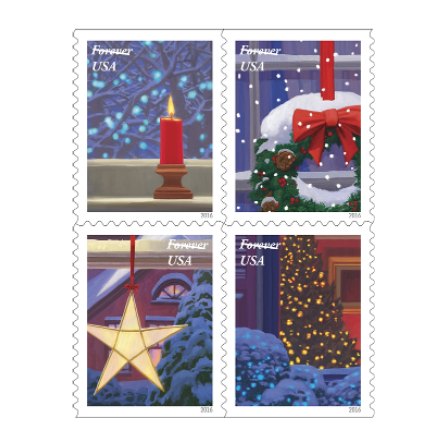
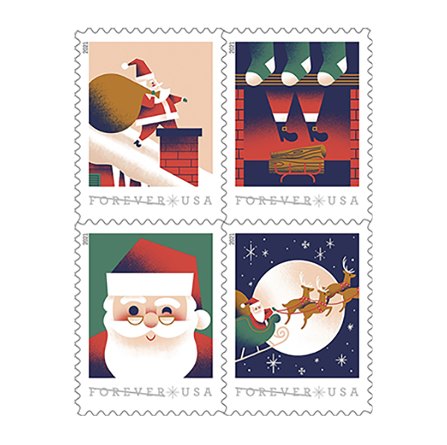
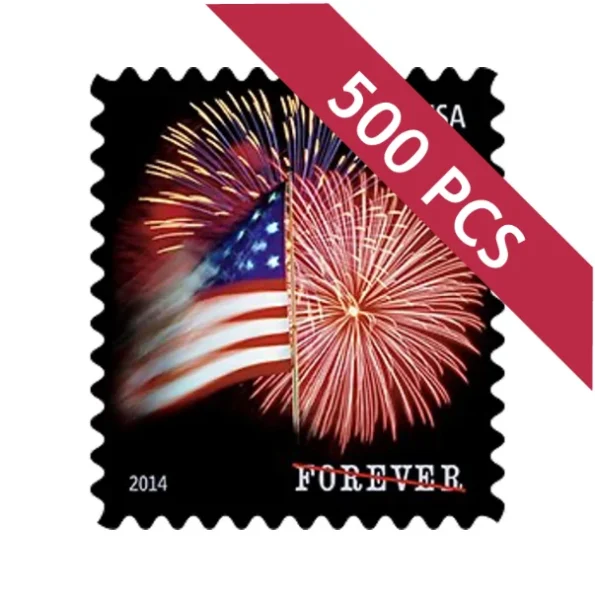
- Design vs. utility: If you don’t need a specific commemorative, choose classics—flags or florals—for broad use and social fit.
- Timing: For Q1 2026 mailings, buy in December–January; your rate holds, shipping windows are sane, and you avoid rush scarcity.
Trusted buying channels and safe discount ranges
- USPS.com (official, minimal discount): Safe, comprehensive, straightforward.
- Authorized or established sellers with modest discounts:
- foreverstampstore.com, theuspsstamps.com, flagstampshop.com (buy only when discounts are in the 10–30% range and policies are clear; avoid “mega” promos that feel off). Even promotional pages emphasize caution around big discount claims.
- Retail ecosystems: Amazon, eBay, Costco, Walmart—again, stay conservative on discounts, check seller history, and prefer fulfilled-by-retailer listings.
Emotional anchor: Think in seasons, not single purchases. A calm, steady supply beats bargain‑hunting chaos.
Designs that won’t get weird: safe, timeless choices
Here’s the friendly advice part. If you’re not mailing a niche collectible audience, stick to designs that look appropriate anywhere—business invoices, wedding invites, client cards, PTA letters. Classic florals and flags do the job.
Recommended classics (floral)
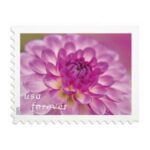
- Wedding Roses Stamps: Soft, elegant, “safe” for everything from RSVPs to condolences. Suitable across formal and casual settings.
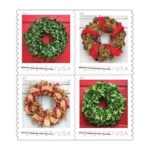
- Flowers from the Garden Stamps: Bright, joyful, and not season‑locked. Works for thank‑yous, holidays, small business notes.
Recommended classics (flags)
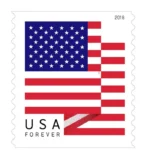
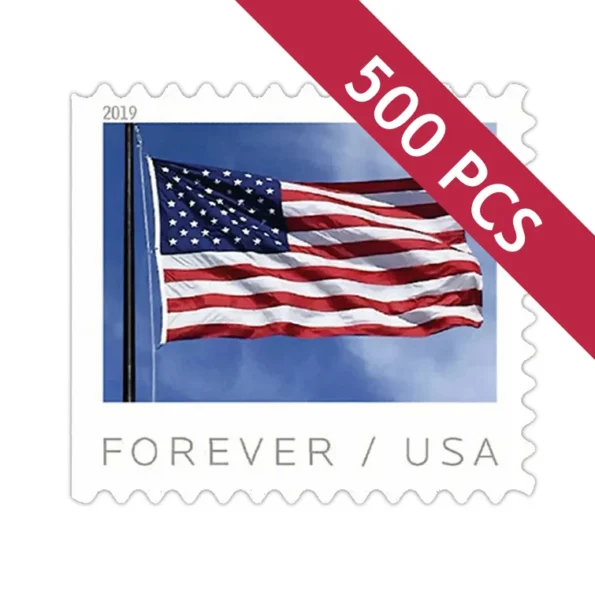
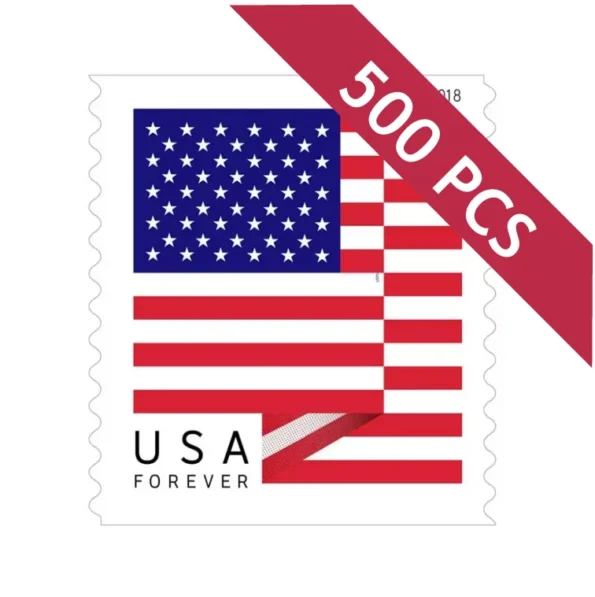
- U.S. Flag 2017: Clean, timeless, patriotic without being loud. A workhorse for business mail.
- U.S. Flag 2022: Crisp modern rendering; reads “official” and broadly acceptable for universal use.
Why these:
Avoid for bulk day‑to‑day: Highly specific commemoratives unless you’re mailing a niche audience. They’re beautiful, but not always socially universal.

Real buyer mindsets: two moments that change behavior
- “Never again” energy:
“I opened a drawer last week and found a sheet of those old fake stamps. My stomach dropped. I remembered the calls to clients, the late cards, the apology emails—ugh. Now I only buy small‑discount, clearly vetted listings. The peace of mind? Worth it.” - “I’m done running out” resolve:
“I used to buy 20 at a time and hope for the best. Now I grab 200 for the quarter. Less scrambling, fewer mistakes. Honestly, it feels grown‑up.”
How much should you stockpile into mid‑2026?
- If you’re a small business or office admin: 200–500 Forever Stamps is a comfortable buffer. They won’t expire; if rates rise post‑summer 2026, you’ll be glad you locked in.
- If you’re planning life events: Weddings, baby announcements, nonprofit campaigns—buy the full projected quantity plus 10–15%. Last‑minute additions are real.
- If you’re occasional mailers: One or two books (20–40 stamps) keep life smooth without overcommitting.
And yes, bulk is smart. It’s not hoarding; it’s planning.
Scam hygiene you can actually do (without becoming an expert)
- Check the seller’s history and reviews. Look for consistent, specific feedback over time.
- Compare discount ranges. Normal: 5–20%. Suspicious: 50–90%.
- Inspect upon arrival. If the printing feels off, adhesives are weak, or sheets look irregular—don’t use them.
- Keep proof. Packaging, receipts, and order records matter if you need to challenge a counterfeit.
Even discount‑focused sites caution shoppers against chasing extreme markdowns—take them at their word.
Where to start today (U.S. only)
- Safe defaults: USPS.com, Costco/Walmart in person, Amazon with Prime and long‑standing sellers.
- Light‑discount specialists: foreverstampstore.com, theuspsstamps.com, flagstampshop.com—buy conservatively, verify policies, skip any 50%+ promos, and stay in the 10–30% lane for calm, consistent savings.
Emotional pause: It’s okay to want a deal. It’s smarter to want your mail delivered.
Additional reading from trusted media
- Check USPS oversight coverage on postal operations at the Washington Post for context on service and pricing trends: postal service reporting.
- Explore business impacts of mailing and logistics at the Wall Street Journal: business logistics analysis.
- Review consumer protection and scam awareness pieces via the New York Times: consumer scams guide.
Buyer’s channel guide for 2026 decisions ✅
| Your situation | Best channel | Why it works | Risk notes |
|---|---|---|---|
| Office admin sending monthly invoicing | Authorized dealer (10–20% off) | Reliable mild discount, bulk packs, fast | Avoid >30% “promo” spikes |
| Wedding invites (formal) | USPS.com or known dealer | Specific floral designs, guaranteed real | Don’t chase deep discounts |
| Nonprofit holiday mailing | USPS bulk or vetted dealer | Predictable fulfillment, light savings | Authenticate quickly upon receipt |
| Occasional household mail | Costco/Walmart or USPS | Convenience, minimal risk | Limited design variety |
| “I need stamps today” | Post Office, convenience store | Immediate access | No discount, but safe |
| Deal hunter with experience | Amazon/eBay vetted sellers | Can find light deals | Seller vetting is essential |
Sources: Buyer experiences and dealer advisories warning against large, too‑good‑to‑be‑true discounts.
Final word—your mail is a promise
Let’s keep it honest. In 2026, stamps aren’t just tiny stickers; they’re trust. A promise that what you send shows up, on time, with dignity. You can save money—smartly. You can avoid counterfeits—easily. You can pick designs that fit any moment—beautifully. And you can do it without stress.
If your inner voice whispers, “Is that 60% off listing… legit?”—you already know the answer. Get the smaller discount. Get the delivery. Get back to the work (and life) that actually matters.

USPS professional based in New York with extensive experience in postal operations. Certified by the Mail Systems Management Association and trained at the USPS Business Mail Academy, she shares reliable insights on Forever Stamps and safe mailing practices.