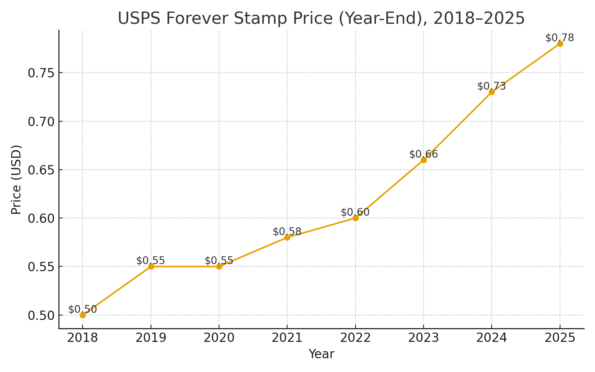
Postage has never been cheap, and with Forever Stamps now priced at 78 cents, finding new ways to save is no longer optional—it’s essential. Whether you’re a small business owner sending hundreds of packages, or just a family preparing holiday cards, USPS Discount Stamps are one of the few tricks that actually lower real mailing costs.
Unlike collector items or coupon gimmicks, discount stamps are practical, usable, and fully accepted by the Postal Service. They might not look perfect, but they work perfectly fine.
What Does “Usable” Postage Really Mean?
The idea is simple: usable stamps are stamps that can no longer be sold as brand-new because of cosmetic flaws. They may have:
- A fold in the booklet cover
- A scuff or small mark on the edge
- Partial rolls instead of full ones
Yet they’re still 100% functional. The USPS recognizes their full value, and your mail delivers just as it would with a pristine Forever Stamp.
Here’s a side-by-side look:
| Type of Stamp | Price Per Stamp | Condition | Best Use Case | Savings Potential |
|---|---|---|---|---|
| Forever Stamp (standard) | $0.78 | Brand new, pristine | Collectors, everyday senders | None |
| USPS Discount Stamp | ~$0.68–$0.74 | Folded, bent, partial roll | Households, small biz, post ctr | 5%–15% |
| Collector Stamps | Above face value | Mint, collectible only | Hobby use | Negative |
It’s a simple trade: accept a little imperfection, save real money.
Behind-the-Counter Usage for Post Offices
For independent post offices or shipping counters, using discount stamps behind the counter is almost a no-brainer. When a customer pays for postage, the clerk can apply usable-condition stamps instead of pulling out a fresh, pristine roll.
- Customers get their mail processed normally
- The USPS delivers it without issue
- The office keeps the small margin difference
Repeat that over hundreds or thousands of items a month, and suddenly you’re talking about hundreds of extra dollars in annual profit. For small franchise operators, those pennies aren’t small—they’re survival.
Everyday Households: Small Wins That Add Up
Not every family mails 1,000 packages a year, but holiday seasons tell another story. If you’re sending 40–60 greeting cards in December, the cost adds up quickly.
Take the example of a family mailing 50 cards:
- With standard Forever Stamps: 50 × $0.78 = $39.00
- With discount stamps at $0.71: 50 × $0.71 = $35.50
A saving of $3.50 might not buy you a vacation, but it does buy you a couple extra coffees on the way to the post office.
As one parent I spoke with said: “It just feels better knowing I’m not wasting money on something that people literally tear open and throw away.”
Businesses: Margins Matter
For small e-commerce shops, every dime saved per shipment matters. A candle shop shipping 1,200 parcels in a year reported that using discount stamps on thank-you cards alone saved them over $90 annually. That covers a box of shipping tape and bubble wrap—items they’d otherwise have to squeeze into an already tight budget.
It’s these little adjustments, not big flashy moves, that keep small businesses profitable.
Things to Keep in Mind
- They’re always accepted. USPS does not reject usable stamps. The mail moves as normal.
- Buy from trusted sellers. Counterfeit stamps are a real problem online. Stick with authorized resellers or reputable sites.
- Plan ahead. Demand spikes around holidays, so buying early avoids shortages.
If you want to see more about postage rate trends, check coverage by The New York Times, official updates from the USPS newsroom, and consumer analysis from The Washington Post.
Final Thoughts
Mailing costs are only heading in one direction—up. But that doesn’t mean you have to just pay more every time. USPS Discount Stamps give both households and businesses a way to take control, trim expenses, and keep more in their pocket.
In a world where margins are tight and every cost matters, it’s one of the few “hacks” that actually works.

Currently working at USPS in Chicago, he has more than 15 years of experience in bulk mailing and logistics. His columns focus on Forever Stamp trends, helping businesses and individuals make cost‑effective mailing decisions.