Running a small business in America today is a balancing act. You’re juggling rising costs, unpredictable digital ad performance, and the constant pressure to reach customers in a way that feels authentic. That’s why many owners are rediscovering something that feels almost old‑fashioned: mail.
But not just any mail—USPS bulk mail rates.
If you’ve ever wondered how to prepare bulk mailings the right way, how to avoid costly mistakes, and whether there’s a smarter alternative for flexibility, this guide is for you.

Why Bulk Mail Still Matters in 2026 (Even in a Digital World)
It’s tempting to think that email and social media have replaced physical mail. But the truth is, mailboxes are less crowded than inboxes. A well‑timed postcard or catalog can stand out in a way no Instagram ad ever will.
- Tangibility builds trust. Customers hold your message in their hands.
- Local targeting is powerful. You can reach neighborhoods, ZIP codes, or curated lists.
- Longevity matters. A coupon on the fridge lasts weeks; an email lasts seconds.
As one boutique owner in Texas told me last holiday season: “When I saw customers walk in with the postcard we mailed three weeks earlier, I realized—this works. It’s not flashy, but it’s real.”
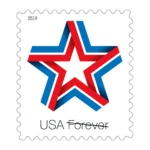
And with USPS confirming that the Forever Stamp price remains 78¢ until at least July 2026 (official USPS announcement), small businesses finally have some predictability in their planning.

Preparing Bulk Mailings the Right Way: The Steps That Actually Save You Money
Bulk mail rates aren’t automatic. To qualify, you need to prepare your mailings correctly. Here’s how to do it without losing your sanity.
Sort by ZIP Code Like a Pro
Sorting by ZIP code is one of USPS’s key requirements. It helps them process faster, and it helps you pay less.
- Use USPS’s PostalPro software to automate sorting.
- Generate barcodes for efficiency.
- Double‑check for duplicates or outdated addresses.
A business owner once told me: “I thought sorting was just busywork. But when I saw the postage savings, I realized it’s the difference between breaking even and making profit.”
Use the Right Envelopes, Labels, and Materials
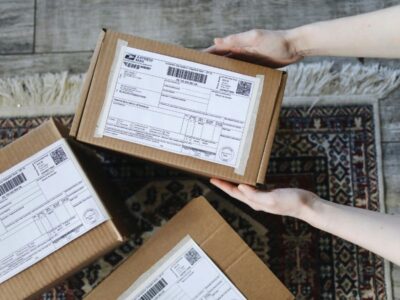
USPS has strict specifications for envelopes and labels. If you don’t follow them, your mailings may be rejected—or charged at higher rates.
- Stick to USPS‑approved sizes.
- Avoid glossy labels that scanners can’t read.
- Test one batch before committing to thousands.
Pay Attention to Size and Weight
Bulk mail rates are calculated by size and weight. A few grams too heavy, and suddenly you’re paying more.
| Mailpiece Type | Max Weight | Notes |
|---|---|---|
| Postcards | 4.25” x 6” | Cheapest option |
| Letters | 3.5” x 6.125” to 6.125” x 11.5” | Must stay under 3.5 oz |
| Flats | Up to 13 oz | Higher cost, but more space |
Use USPS‑Approved Mailing Software
Software like Endicia, Pitney Bowes, or Stamps.com can save you hours. They handle:
- Address verification
- Postage printing
- Tracking
It’s not just convenience—it’s compliance.
Take Advantage of Discounts
USPS offers extra discounts if you use certain tools:
- Click‑N‑Ship: up to 5% savings
- Postage meters: around 3% savings
These may sound small, but across thousands of pieces, they add up.

The Emotional Side of Bulk Mailing: Why It Resonates with Owners
Let’s be honest: preparing bulk mail isn’t glamorous. It’s trays, labels, and spreadsheets. But there’s something deeply reassuring about it.
When you drop off a stack of sorted mail at the post office, you know it’s going somewhere real. You’re not at the mercy of an algorithm or a spam filter.
One café owner in Charleston told me: “Every time I hear the sound of envelopes being stamped, I feel like I’m investing in something solid. It’s old‑school, but it works.”
A Word of Caution: Fake Stamps Are Everywhere
With Forever Stamps at 78¢, counterfeiters are flooding the market. Websites like Shein or Temu advertise “discount stamps,” but they are 100% fake. Using them can result in rejected mail and even fines.
Stick to trusted sources:
- USPS.com
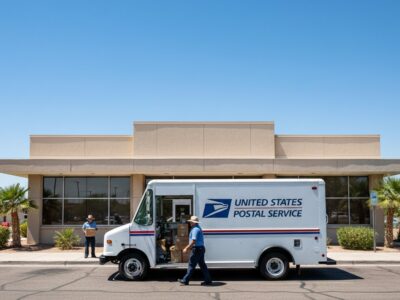
- Official USPS retail locations
- Authorized resellers
If the price looks too good to be true, it is.

Bulk Mail vs. Discount Forever Stamps: Which Is Better for Flexibility?
Here’s the truth: bulk mail rates are fantastic for large campaigns. But they come with rules, minimums, and prep work. Sometimes, small businesses need flexibility.
That’s where discount Forever Stamps come in.
- No minimums. You can send 1 piece or 1,000.
- Price stability. Buy now at 78¢, use later—even if rates rise.
- Simplicity. No sorting, no permits, no software.
| Option | Best For | Pros | Cons |
|---|---|---|---|
| Bulk Mail Rates | 200+ pieces, marketing campaigns | Huge savings, targeted reach | Complex prep, slower delivery |
| Discount Forever Stamps | Small or mixed mailings | Flexible, easy, predictable | Less savings on very large volumes |
For many small businesses, the smartest strategy is a hybrid approach: use bulk mail for big seasonal pushes, and Forever Stamps for everyday flexibility.
Looking Ahead: 2026 and Beyond
The end of 2025 is busy—holiday promotions, year‑end sales, and customer appreciation campaigns. But the real opportunity lies in 2026.
- Spring 2026: Launch early promotions with Forever Stamps for speed.
- Summer 2026: Use bulk mail for tourist campaigns and local events.
- Fall 2026: Combine both strategies for back‑to‑school and holiday prep.
With no USPS price hikes until July 2026, you can plan with confidence.
Additional Resources
For more insights, check out:
Final Thoughts
Bulk mail rates are powerful, but they require planning. Discount Forever Stamps, on the other hand, give you freedom and peace of mind. The best strategy? Use both.
As one business owner told me while sealing envelopes late at night: “I looked at the stack of Forever Stamps on my desk and thought—this is my safety net. No matter what happens, I can always reach my customers.”

Stamp enthusiast and part‑time columnist based in Los Angeles. With a background in office administration and a personal passion for collecting Forever Stamps, she provides readers with practical tips on buying, storing, and using stamps effectively.