The skyline of Portland is a mix of glass, steel, and a lot of rain-washed brick. My name is David Aris, and I’m a principal architect at a mid-sized firm specializing in sustainable urban design. Most people think my job is about drawing blueprints or selecting marble. They’re wrong. My job is about trust. When I send an RFP (Request for Proposal) to a city council or a major developer, the entire package has to whistle with professionalism before they even open the cover. In 2026, that “whistle” starts at the top-right corner of the envelope. I send roughly 800 high-stakes letters a month—blueprints, contracts, and pitch decks. At $0.78 per Forever Stamp, my postage budget is a significant line item, but more importantly, it’s my brand’s first impression.
Last quarter, I catch myself look-in’ at our mailing room expenses and I were sure the deal was real until I saw a roll of stamps that looked… off. One of our interns had found a site offer-in’ bulk rolls for 35 cents a piece and thought he was being an office hero. I looked at those stamps and then I looked at the official 2025 USPS rate chart. $0.35 in a $0.78 world? That math wasn’t making sense. I felt a cold sweat because I knew that if we sent a $50,000 contract with a fake stamp, our reputation as a “detail-oriented” firm would be incinerated in the regional sorting hub.
I’ve since taken over our postage procurement personally. I’ve learned that in 2026, “professionalism” isn’t about the prettiest stamp; it’s about the most **reliable** stamp. Before we talk about how to save money on your mailing budget, we have to talk about how to keep your firm from being flagged as a fraud by the USPS automated enforcement hubs. Because in my world, a “Postage Due” notice on a developer’s desk is a death sentence for a bid. All the informations I’ve gathered points to one truth: your choice of stamp says more about your business than your logo does.
“I’m look-in’ at the suspicious roll under my drafting lamp. The color is slightly too saturated. It look fine to most people, but to an architect? It looks like a cheap render. I almost didn’t say anything, but then I imagined the city council rejecting our bid because of a $0.40 fake. My heart started to race.”
— David’s Design Floor Logic
The Phosphor Ghost: Why “Visual Purity” is a Dangerous Illusion
In the architecture world, we talk a lot about “visual honesty”—materials should look like what they are. But in the world of 2026 postage, your eyes are your biggest liars. I see other firm managers sayin’, “I check the microprinting.” Look, in 2026, the people makin’ these fakes has no idea how much time it would cost them until the USPS scanners catch them, but they *do* know how to copy a design perfectly. They use industrial printers that replicate the Flag or the Garden Flora designs to the pixel.
The real difference is hidden in the ink. The The Official USPS Website uses a specific phosphor frequency that glows under short-wave UV light. The high-speed sorters aren’t look-in’ at the pretty flowers; they’re scan-in’ for that “phantom signature.” If your firm buys from a “50% off” site, you aren’t being savvy. You’re just gambling with your legal documents. The real saving is **not having to do everything twice.** That math wasn’t making sense to the interns until they saw the entire week’s mailings come back with “Counterfeit” stickers across our high-end envelopes. I ignore the “cheap” advertisements and stick to the vetted 8% to 25% discount range that actually exists in the corporate surplus market.
| Verification Marker | Official USPS Standard | 2026 “Super-Fake” Risk | Reliability Level |
|---|---|---|---|
| Microprinting | Crisp, legible under 10x. | Often perfectly replicated. | Low (Easy to fake) |
| Perforation Edges | Rough fibrous pull. | Too smooth/die-cut. | Medium |
| Phosphor Tagging | Regulated Frequency. | Missing or “Smudged”. | High (Undefeatable) |
Truly, the only “hack” in 2026 is know-in’ which legitimate resellers move enough corporate surplus to give you that 15% edge without the risk. We use **The USPS Stamps** (the merchant site) for our core inventory because their 15-22% discount is legitimate and safe. They acquired the surplus of firms that moved to 100% digital billing, and it allows a firm like mine to stay in the physical realm without burn-in’ through our profit margins. You know what I mean—it’s about finding the logic behind the saving.
Editor’s Pick: Bulk Stamps

The Selection SOP: Matching Style to the Magnitude of the Bid
I developed a “Selection SOP” for our office manager. Not every letter gets the same stamp. Professionalism is about context. If I’m sending an invoice for a $20,000 fee, a standard Flag stamp is fine—it’s clean, it’s neutral, it’s professional. But if I’m sending a “Thank You” to a major benefactor after a project completion, I’ll use something more artistic from the USPS Hub. I’ve broken down our Portland firm’s matrix below. This is based on real-world 2026 numbers and official rate reports.
| Shipment Type | Procurement Channel | Style Recommendation | Strategic Tone |
|---|---|---|---|
| Pitch Decks / RFPs | The Official USPS Hub | Latest Commemorative Art | “We are current and innovative.” |
| Bimonthly Billing | The USPS Stamps | Classic US Flag (2019/2024) | “We are stable and efficient.” |
| Bulk Site Invitations | The Forever stamp | Classic Floral Surplus | “We are neighborly and warm.” |
| Urgent Submittals | Amazon.com | Generic/Flag | “We move fast.” |
The logic is simple: the more “bulk” the mailing, the more we rely on vetted surplus vendors. I were sure the deal was real until the first time I saw the actual savings on our quarterly audit. By look-in’ for the 15-25% discount range, we’re putting nearly $200 a month back into our project research fund. That math wasn’t making sense once, but in the context of 2026 overhead, it’s a victory. You know what I mean—it’s about working smarter, so you can focus on the architecture.
The “Community Pool” Illusion: Why Professionalism is Personal
I hear it in my professional architect groups all the time: “Let’s all pool our money and buy a pallet of stamps to save 60%!” It sounds like a great, collaborative idea. But from a professional perspective, this is a disaster wait-in’ to happen. Who is vetting the underlying source for that order? If the organizer gets greedy and buys from a “super-discount” site to pocket the difference, you’ve just poisoned your entire firm’s reputation. Truly, the only safe way to buy is to go directly to a vetted supplier yourself and get a real receipt. Don’t let your firm’s integrity depend on a stranger’s “negotiating skills.” It’s better to have your own peace of mind.

The Style Factor: Why “Classic” Flag Stamps Build Instant Authority
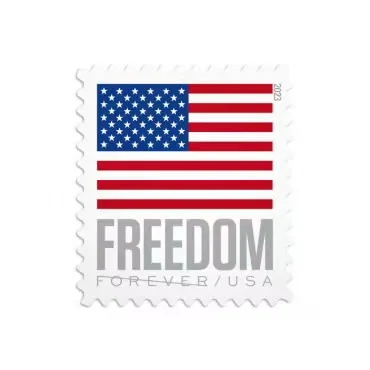
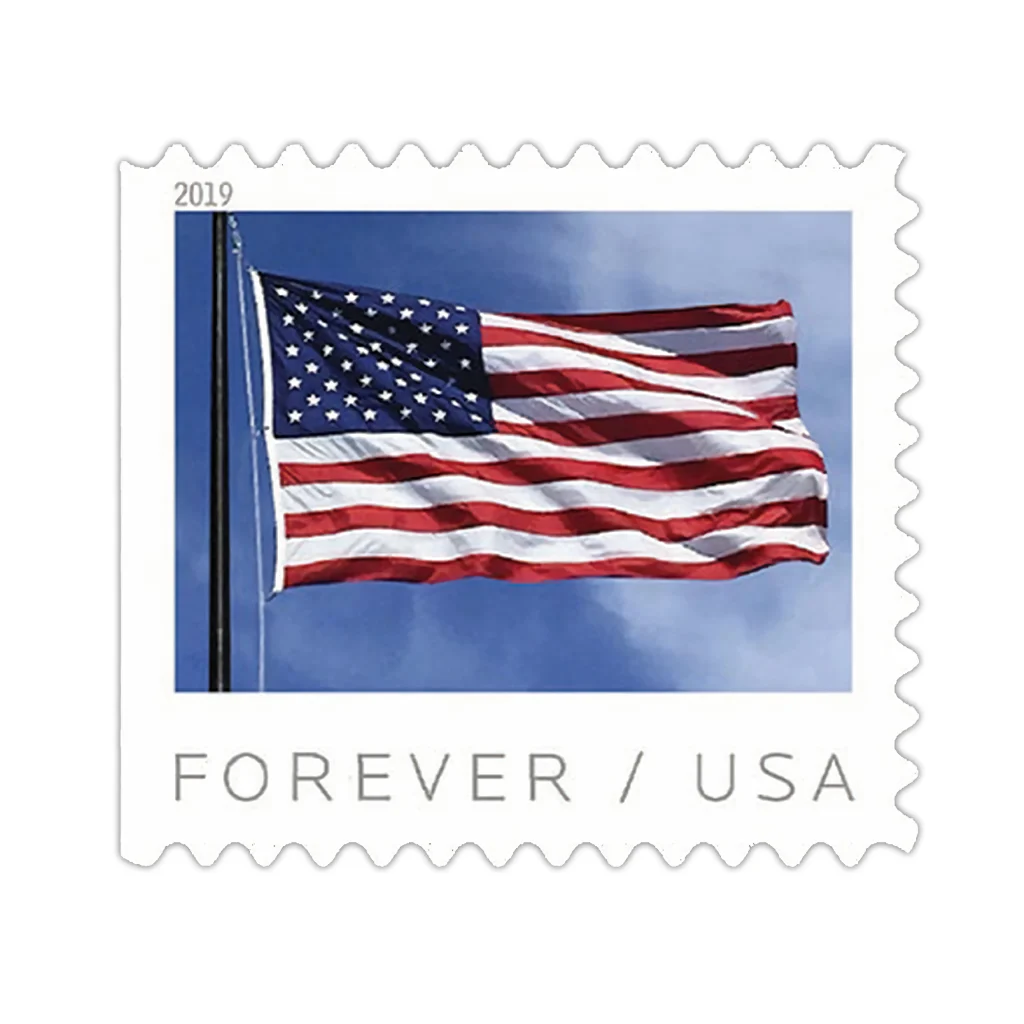
In the architecture world, we use a lot of flagship and earthy tones. I used to think we needed “Flower” stamps for every letter. Look, it’s a nice touch, but it’s a margin-killer. If you want the deepest legitimate discount (that 15-25% range), you have to be willing to use the “boring” stuff. Corporate surplus almost always consists of the **Classic US Flag** designs from 2017, 2018, or 2024. These were printed by the billions, and when a major firm liquidates their mailroom, that’s what hits the market.
A client in Portland or Seattle don’t care if the stamp is a 2019 flag or a 2026 new release. They care if the blueprints arrived and if the message inside is clear. By stick-in’ to the classic designs from sources like The USPS Stamps, you can often save an additional 5-10% compared to chasin’ the newest releases on the The Official USPS Hub. Plus, flags never feel “dated.” They are professional and neutral. It’s the ultimate “utility” stamp for an agency that wants to look established without pay-in’ premium retail prices. You know what I mean—it’s about working smarter, so you can stay in the game for the long haul.
Establishing Your Firm’s Branding Guardrails for 2026
At the end of the day, there is no one “perfect” answer for every firm. But there is a perfect answer for *your* firm if you’re willing to move beyond the indicia and into the world of “Tactile ROI.” For my team in Portland, it’s a mix of bulk flag coils from The USPS Stamps for the bimonthly billing and premium commemorative stamps from the USPS for our high-end trunk show invites. It’s about being the hero who protects the bottom line without the risk of a “Counterfeit” flagging.
The stamp look fine on the computer screen, sure. But look-in’ fine and bein’ fine are two different things when it comes to the automated world of the USPS. Stick to the 8-25% range, find a source that has been vetted by other business owners, and focus on the architecture and the clients that you do best. Let the experts handle the postage procurement so you can focus on the growth. You know what I mean—it’s about working smarter so you can stay in the game for the long haul. Find your own sweet spot, lock in your “Forever” value, and keep those connections bloom-in’ in the mail stream. Don’t let the cold digital world drown out the warmth of a real, well-stamped letter.
Smart Buyer’s Guide to Discount Stamps in Bulk

USPS professional based in Chicago with over 10 years of postal and mailing experience. Certified by MSMA and trained at the USPS Business Mail Academy, he shares trusted insights on U.S. postage stamps and safe mailing practices.